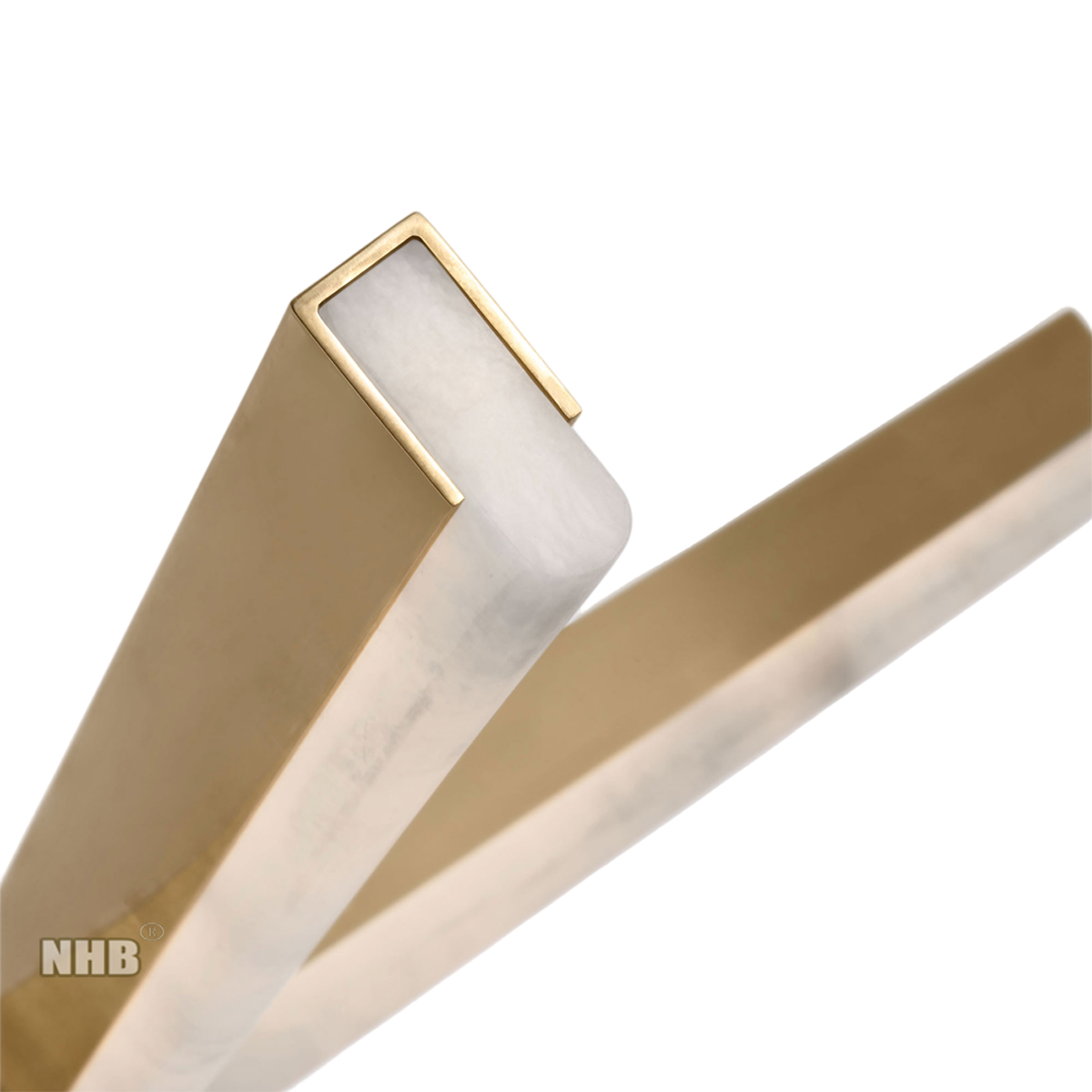
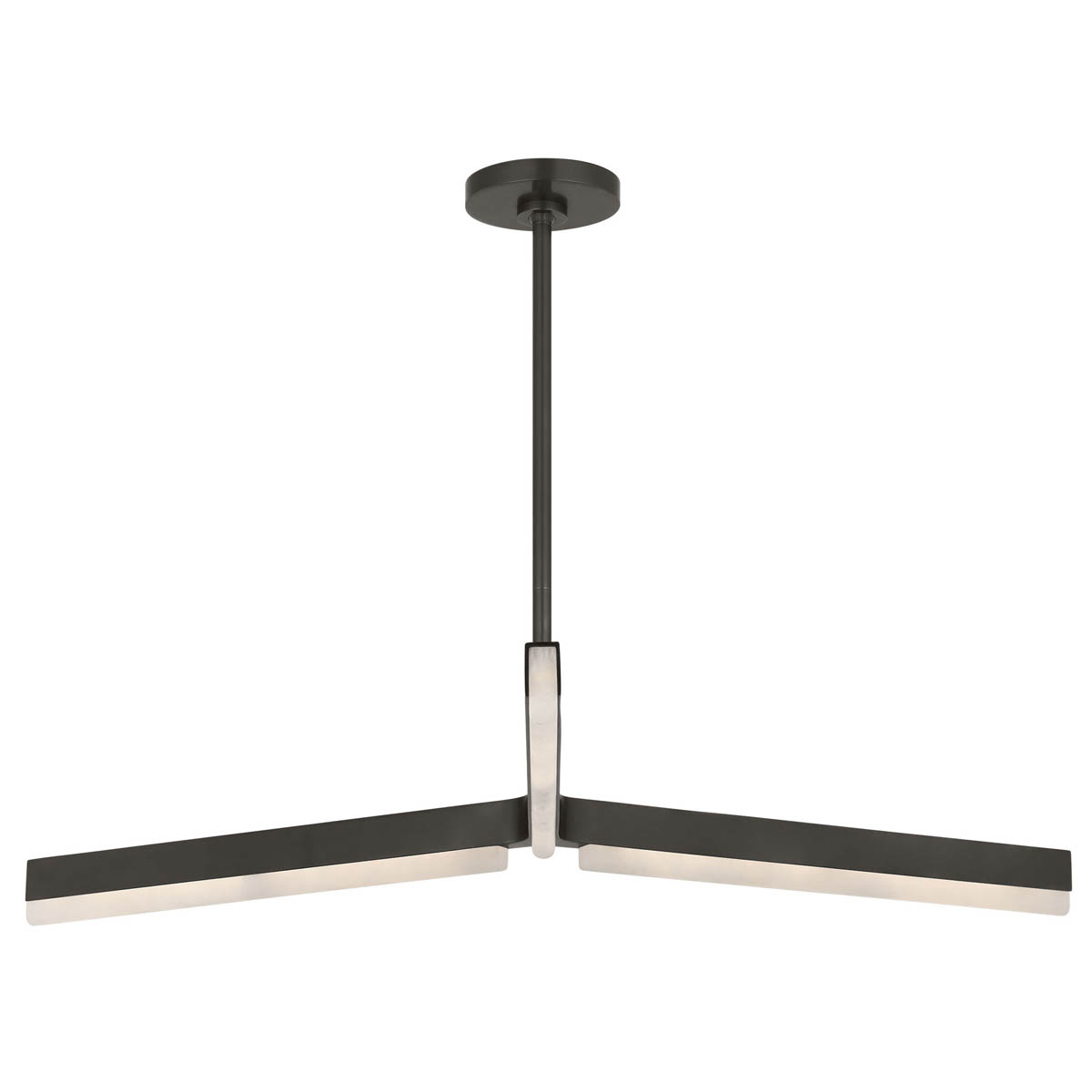
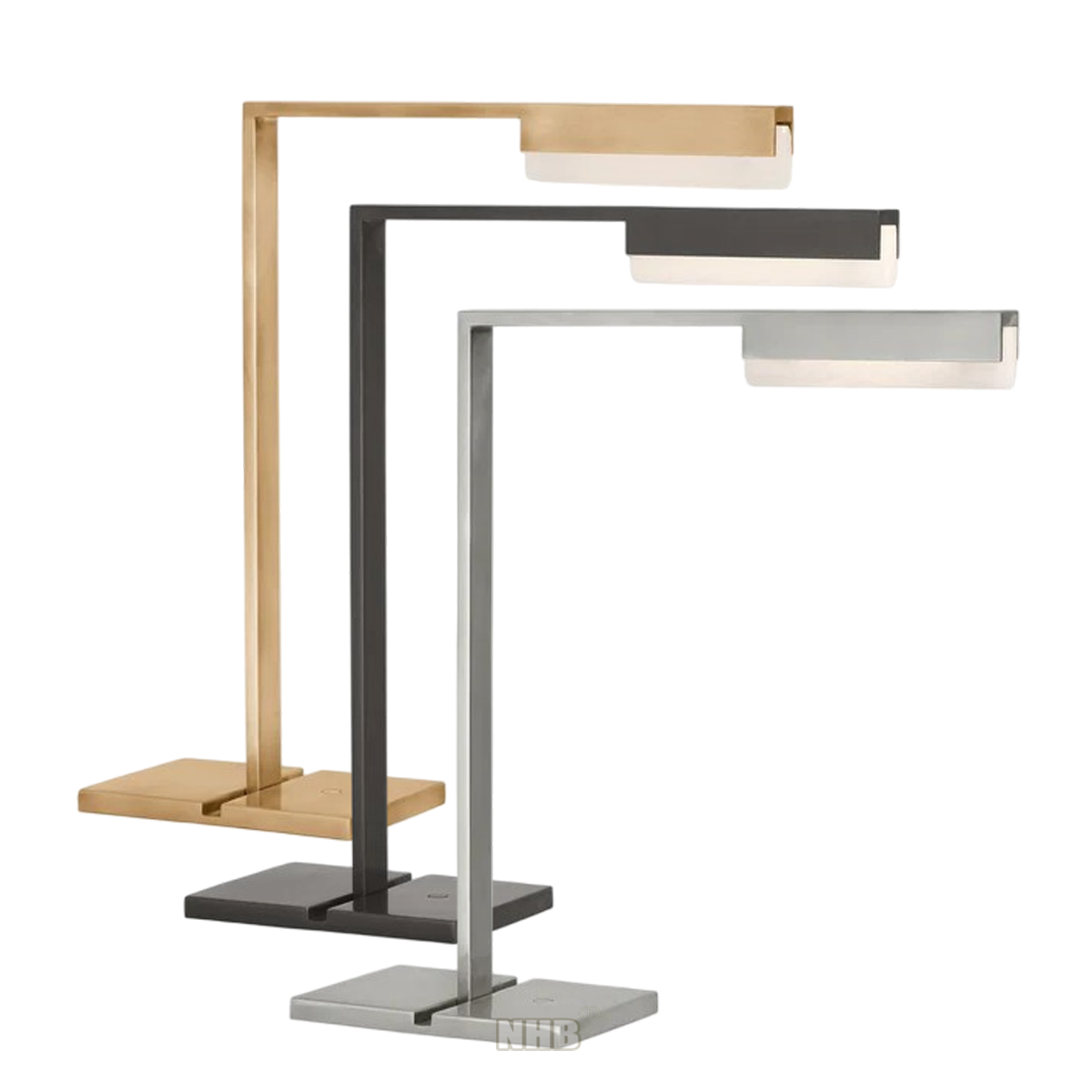
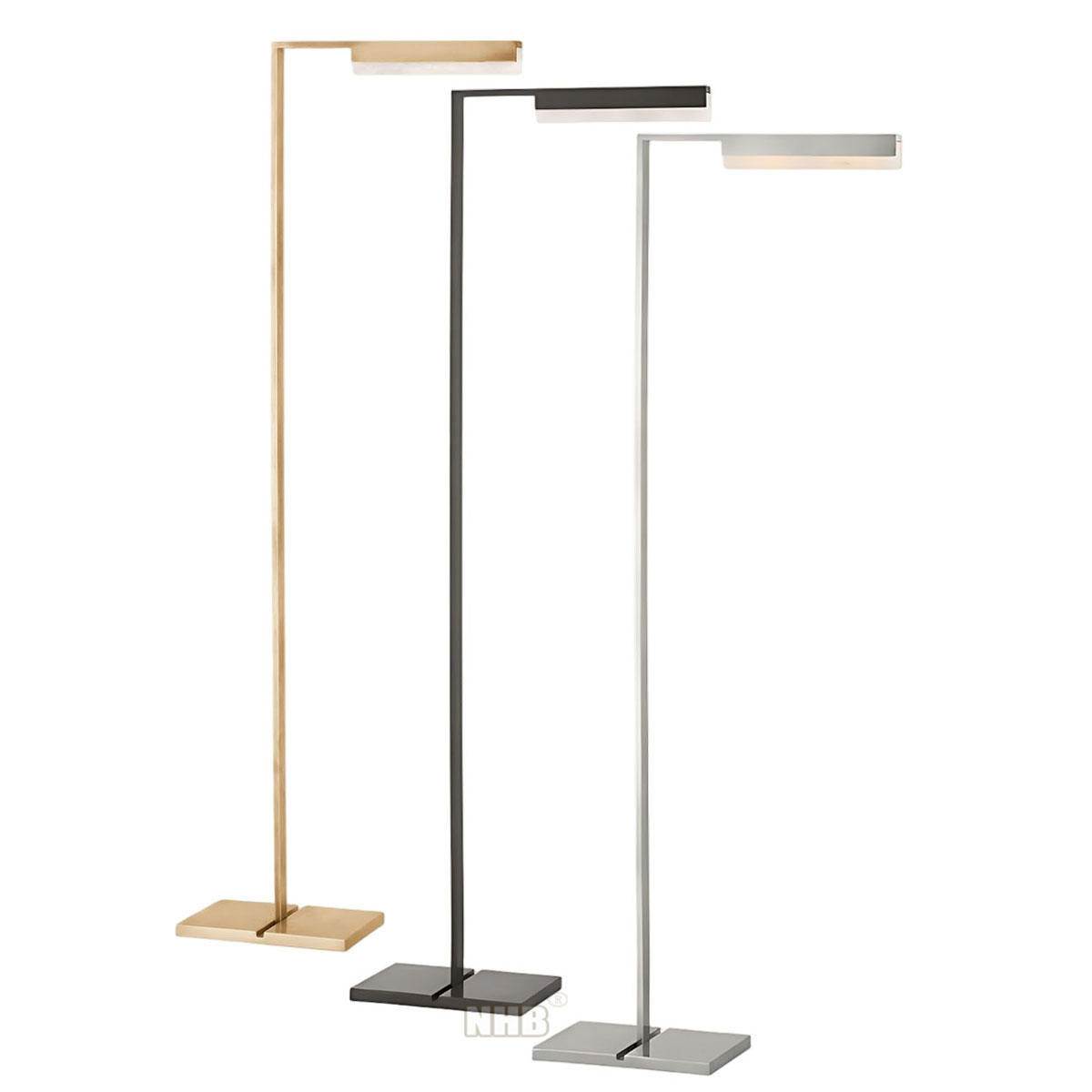
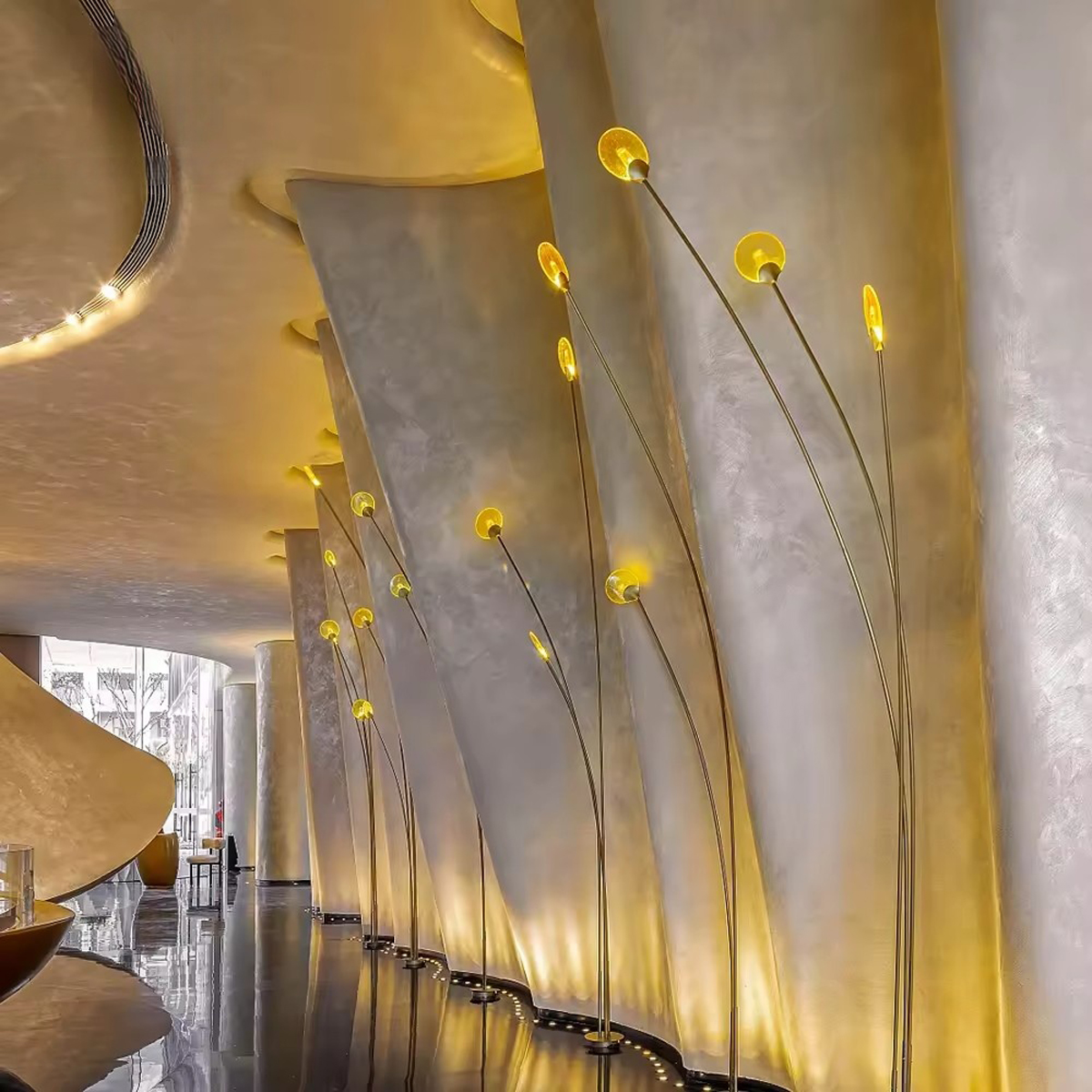
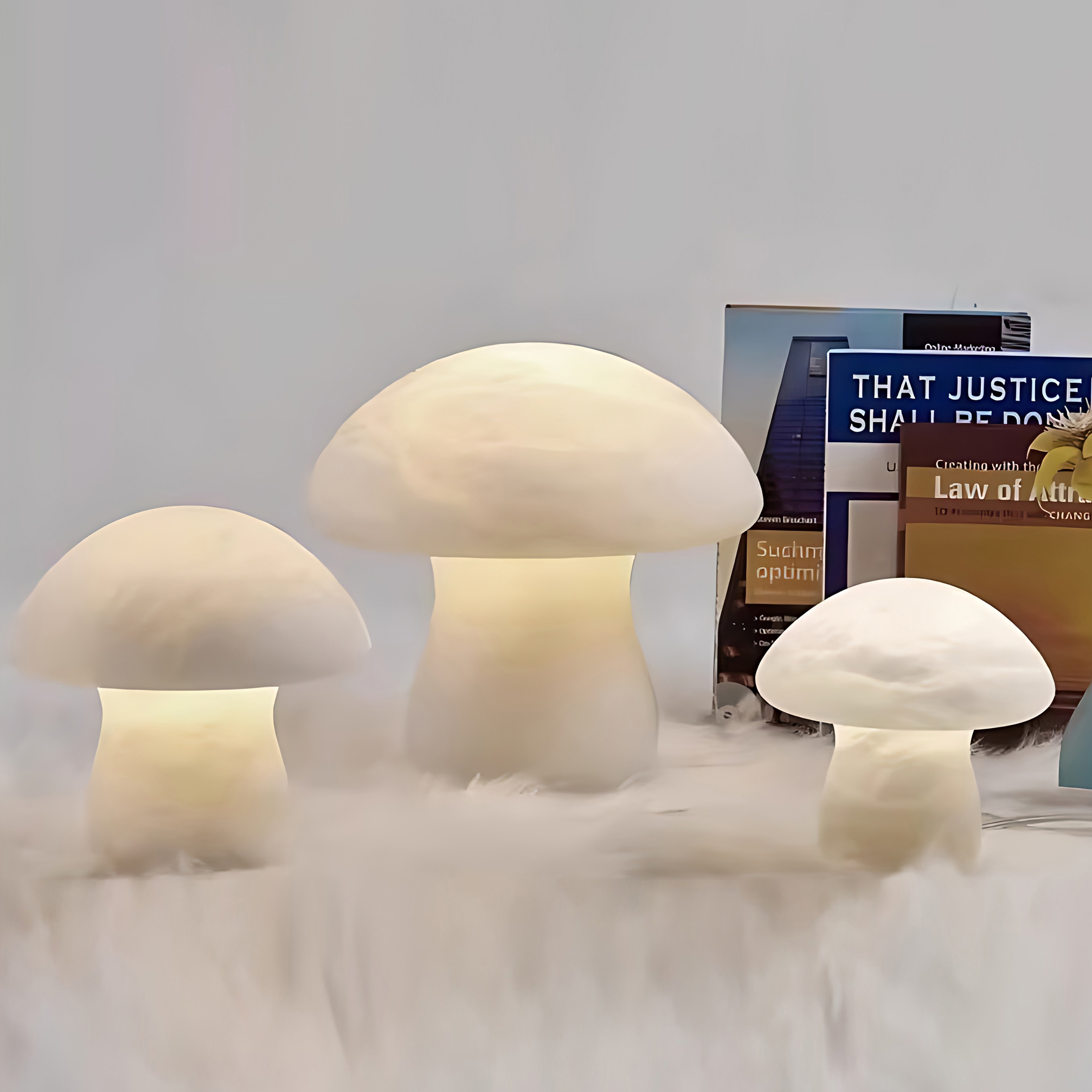
Естественият камък се използва широко в декоративното осветление, особено в подвесни светлини, настенни лампи, масични лампи и стойки за пода. Сред най-често бъркащите се материали са алабастър и мрамор .
От първия поглед и двата могат да изглеждат бели или кремави и често имат естествени жилки. Всъщност обаче прозрачността, текстурата и физическите им свойства са доста различни. Разбирането на тези разлики може да помогне на купувачите, дизайнерите и клиентите по проекти да идентифицират материала по-точно.
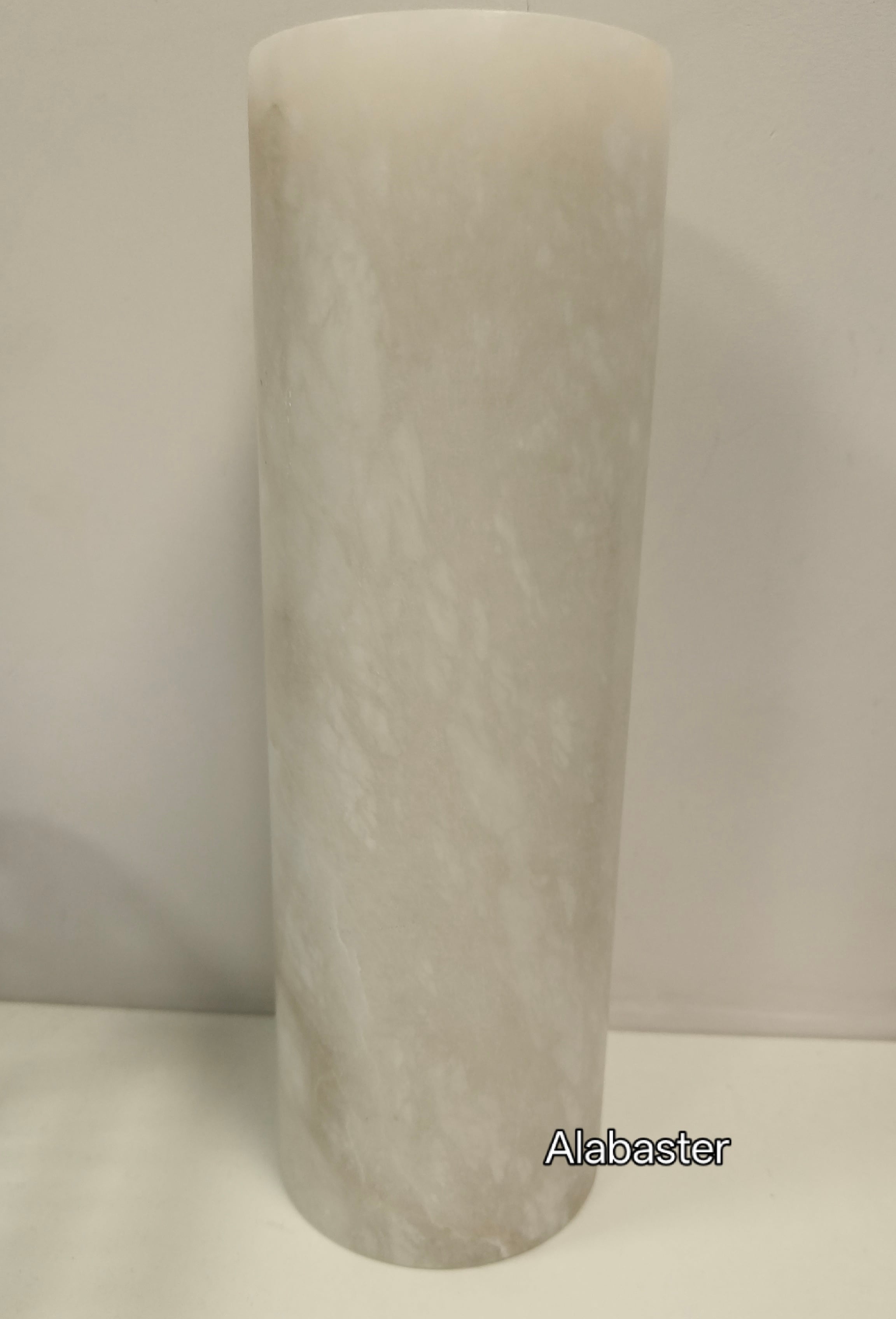
Един от най-лесните начини да се различи алабастърът от мрамора в осветителните тела е да се наблюдава как се държи камъкът при осветяване.
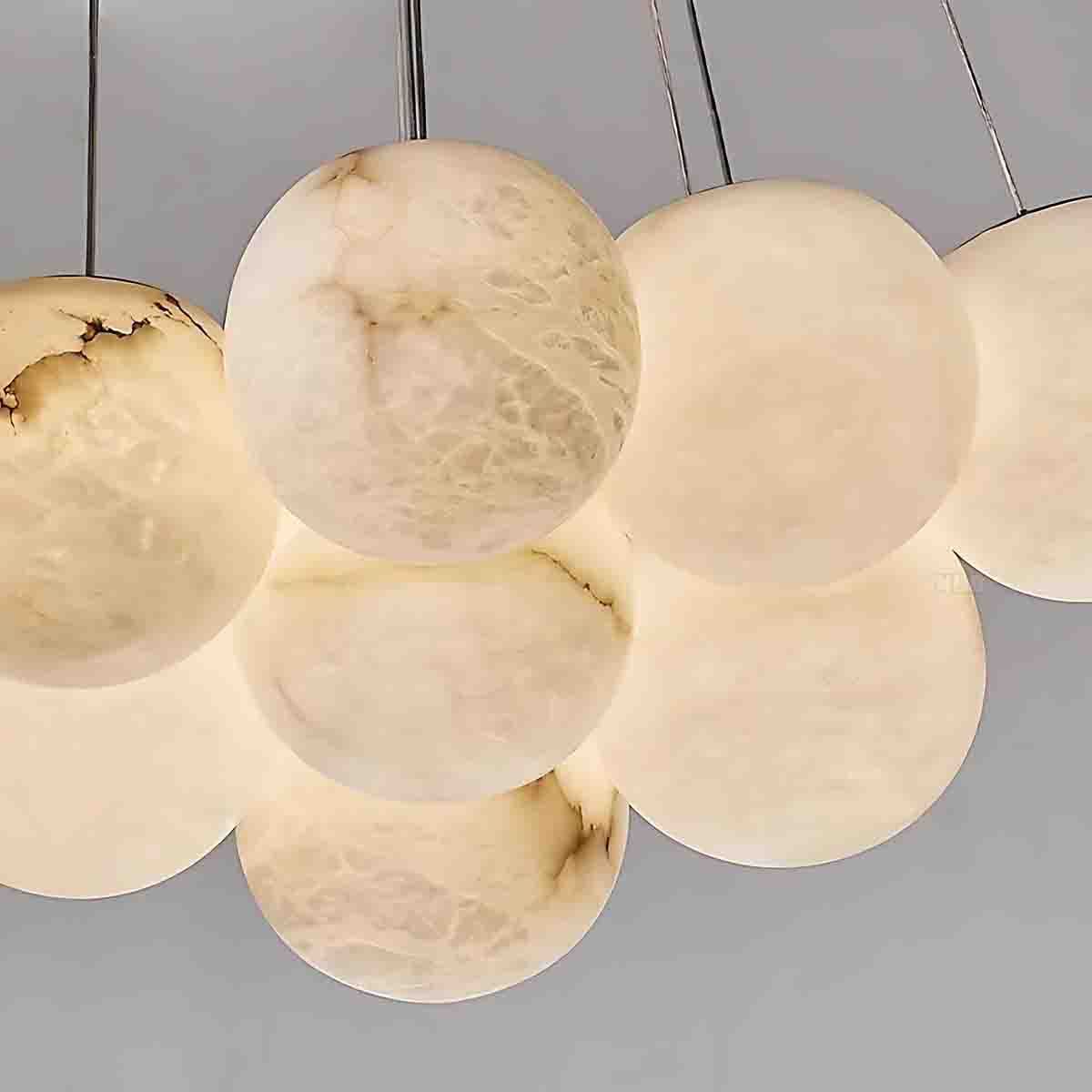
Естественият алабастър е известен с отличната си полупрозрачност. Когато светлината минава през него, камъкът обикновено излъчва мека, топла и разсеяна светлина. Вътрешното му замъгляване и естествените жилки стават по-видими, когато лампата е включена.
Мраморът също може да пропуска светлина, когато е изрязан достатъчно тънко, но в повечето случаи пропускането на светлина е по-малко равномерно. Осветеният ефект често е по-концентриран около по-тънките участъци, докато по-дебелите остават относително по-тъмни.
Поради тази причина алабастърът е особено популярен за декоративно осветление, когато се желае мека и атмосферна светлина.
Алабастърът често има облачни, текучи или слоести модели. Вените могат да изглеждат бели, кремави, бежови, медени или понякога по-тъмни, в зависимост от естествения камък.
Вместо да изглеждат рязко очертани, моделите на алабастъра често имат по-мек и по-прозрачен вид.
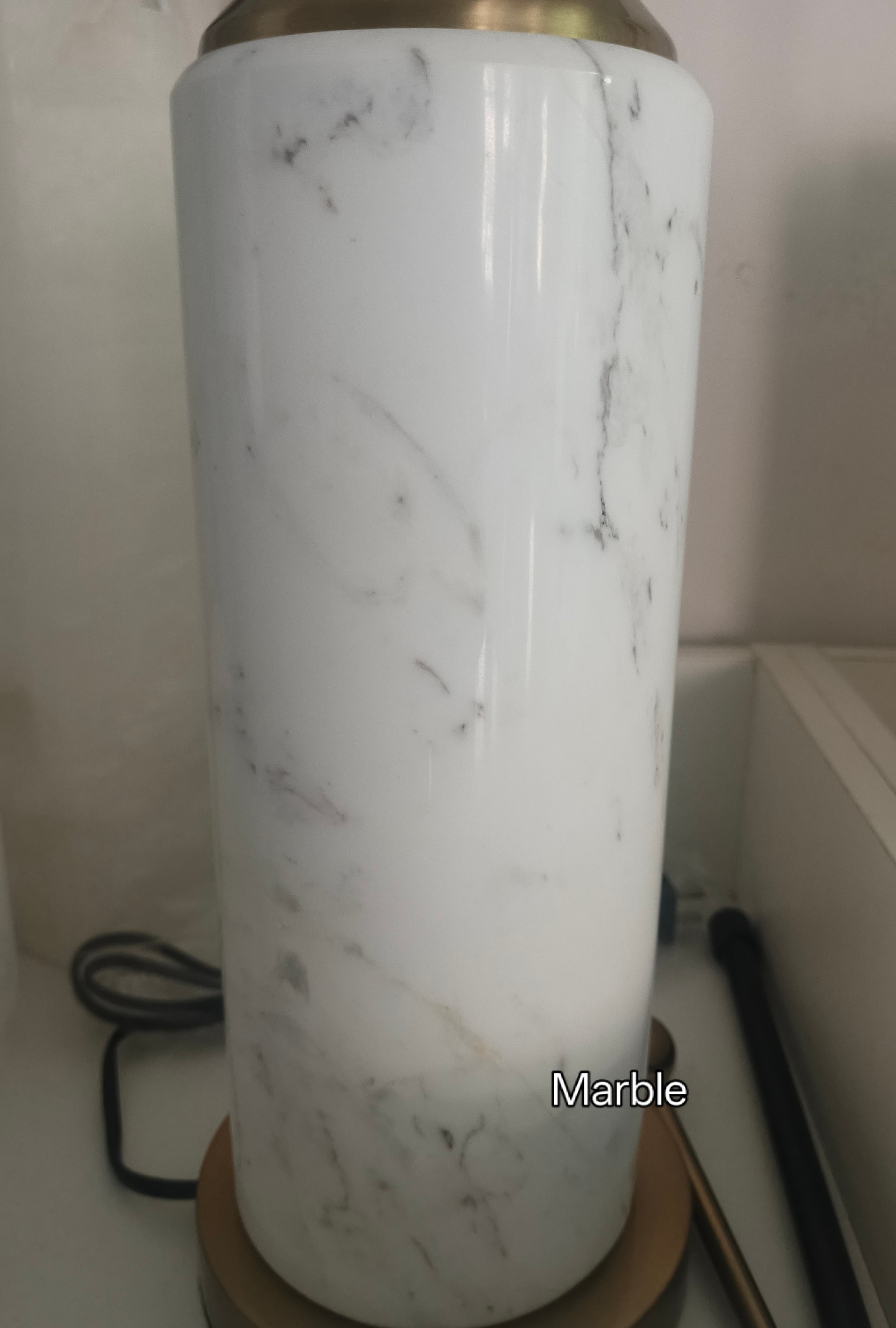
Мраморът обикновено има по-изразени минерални вени и по-силен контраст. В зависимост от вида мрамор вените могат да изглеждат сиви, черни, кафяви или златни и може да изглеждат по-рязки и по-линейни.
Естественият камък обаче варира значително, затова венозността сама по себе си не трябва да се използва като единствен метод за идентификация.
Алабастърът обикновено има по-мек и по-деликатен външен вид. Дори след полиране повърхността му обикновено изглежда леко по-топла и по-малко стъклена в сравнение с високо полиран мрамор.
Мраморът е по-твърд и по-плътен камък и обикновено може да постигне по-отразяваща, полирана повърхност.
За лампите тази разлика също може да повлияе върху общия визуален ефект. Алабастърът често създава по-меко и по-естествено усещане, докато мраморът може да изглежда по-масивен и архитектурен.
Друга важна разлика е твърдостта.
Nатуралния алабастърът е относително мек, с твърдост по скалата на Мохс около 2. Мраморът, който се състои главно от калцит или доломит, е по-твърд, обикновено около 3 по скалата на Мохс.
Тъй като алабастърът е по-мек, той може да се рези и оформя по-лесно, което го прави подходящ за декоративни осветителни компоненти с извити или скулптурни форми.
Нокътът на пръста може да остави драскотина върху някои видове естествен алабастър, докато мраморът обикновено е по-устойчив. Въпреки това не препоръчваме извършването на тестове за драскане върху готови лампи, тъй като те могат да повредят каменната повърхност.
За два каменни изделия с подобни размери и дебелина мраморът обикновено е по-плътен и може да изглежда по-тежък от естествен алабастър.
Това може да предостави още един полезен ориентир, въпреки че крайното тегло на лампата също зависи от дебелината на камъка, металната конструкция и други компоненти.
Тъй като както алабастърът, така и мраморът са природни материали, външният им вид може значително да се различава от едно изделие на друго. Следователно не е добре да се определя материала само въз основа на една характеристика.
По-надеждно идентифициране се постига чрез вземане предвид на няколко фактора едновременно, включително полупрозрачността, естествените жилки, текстурата на повърхността, твърдостта и теглото.
За осветителните приложения осветеният ефект често е един от най-полезните ориентири. Алабастърът обикновено създава по-мека и по-дифузна светлина, докато неговите естествени вади изглеждат по-дълбоки, когато светлината преминава през камъка.
Като комбинираме тези визуални и физически характеристики, става значително по-лесно да се различи алабастърът от мрамора.
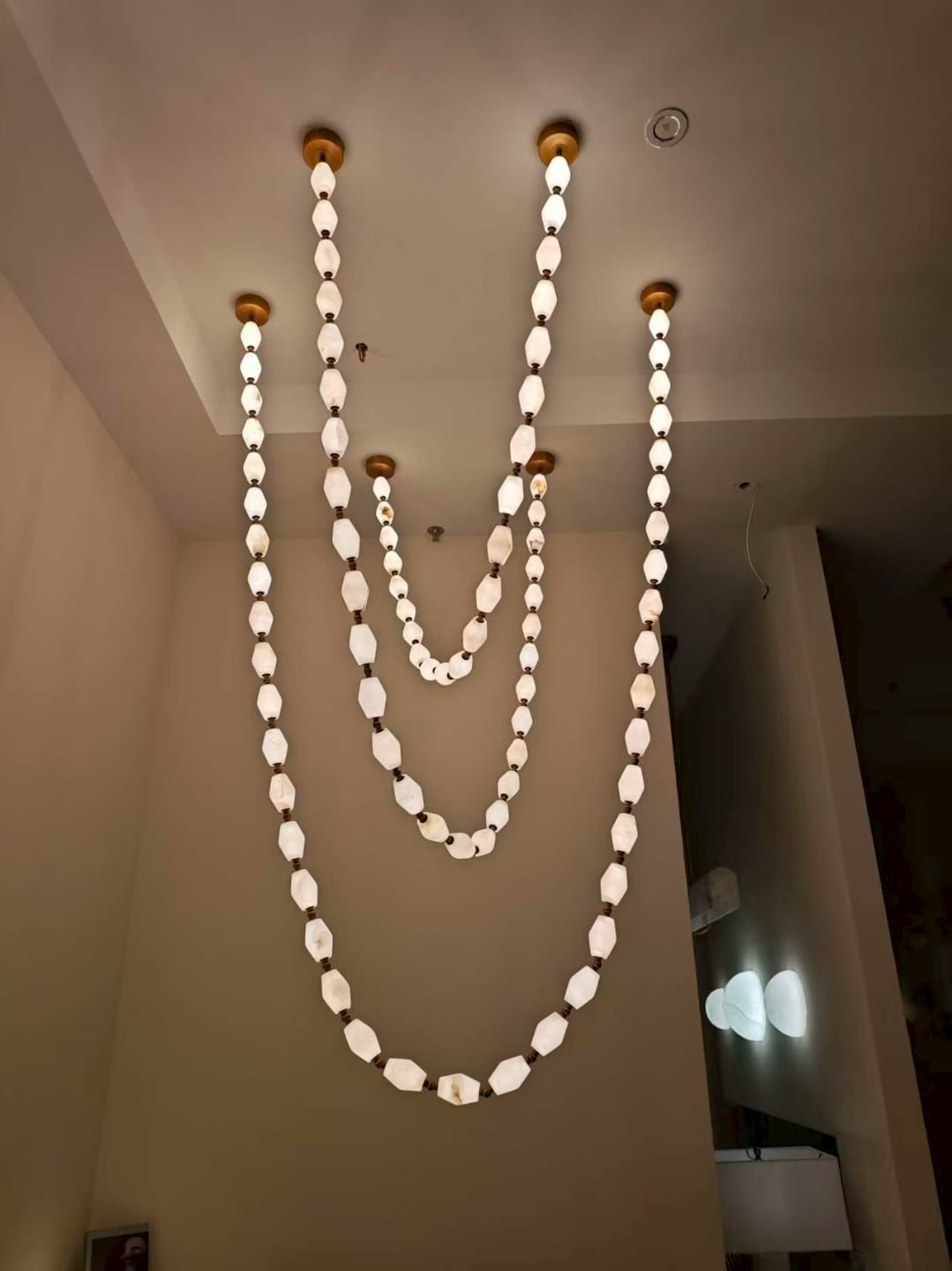
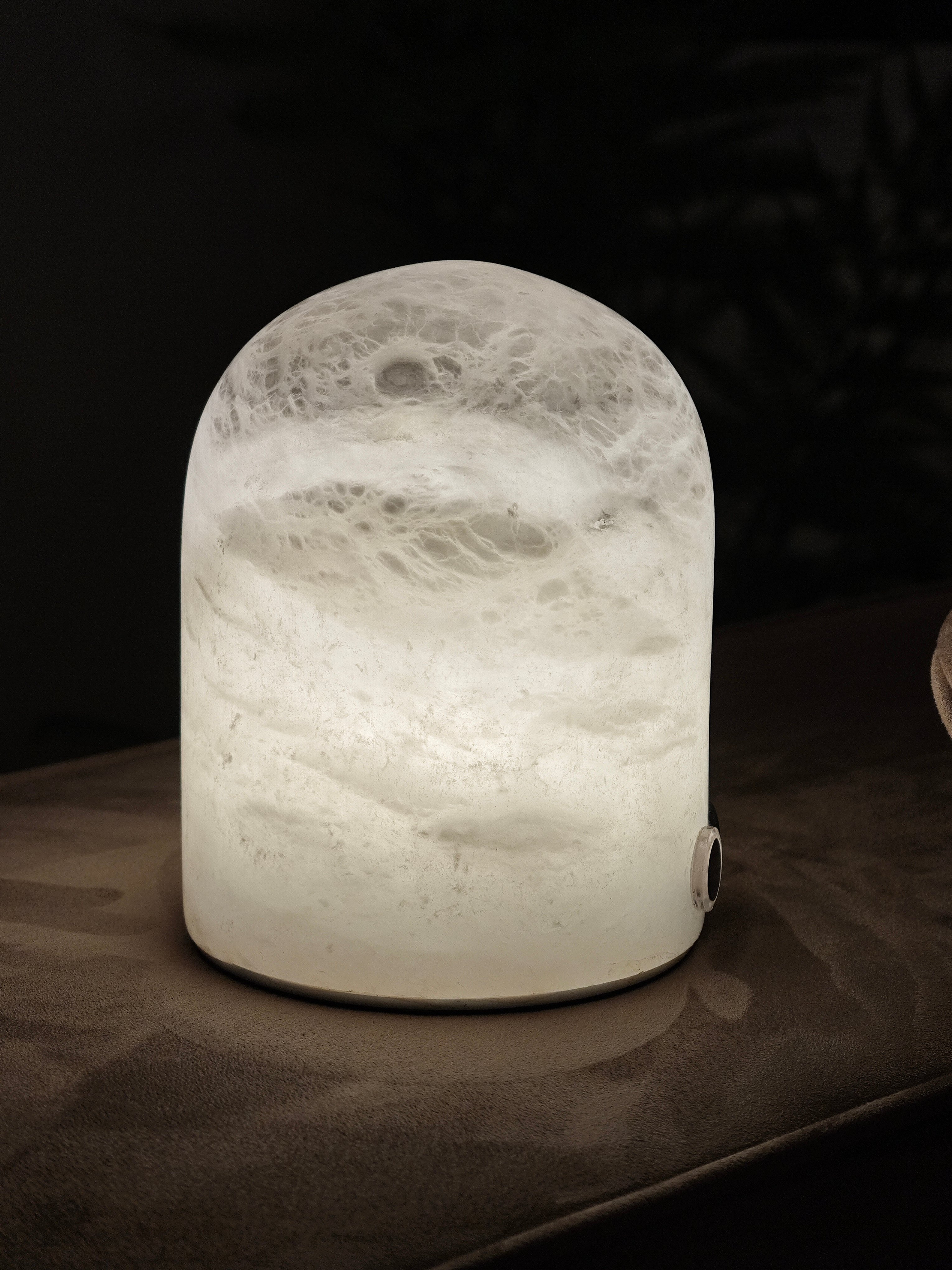
Естественият алабастър е особено подходящ за осветление, защото комбинира естествена красота с отлично разсейване на светлината.
Когато е осветен, камъкът разкрива вади, които могат да бъдат много по-малко видими, когато лампата е изключена. Тъй като всеки парчето естествен алабастър се формира по различен начин, няма две парчета камък, които да са напълно еднакви.
Тази естествена вариация придава на всяка готова лампа собствен характер.
В NHB Lighting работим с естествен алабастър, за да създаваме полилеи, таванни лампи, настенни лампи, масични лампи и подови лампи. Освен това предлагаме персонализирани размери, повърхностни обработки и конфигурации за различни проекти в жилищни, хотелиерски и търговски помещения.
Ако се опитвате да установите дали една лампа е изработена от алабастър или мрамор, сравняването на нейната полупрозрачност, венозност, текстура на повърхността, твърдост и тегло може да даде полезни насоки. Анализът на няколко характеристики едновременно обикновено води до значително по-надежден резултат в сравнение с оценката само по външния вид.
 Горещи новини
NHB Lighting е производител на алабастрово осветление, работещ директно от фабриката, предназначен за хотели, вили и резиденции от висока класа. Нашите ръчно изработени люстри, OEM/ODM услуги, строг контрол на качеството и глобални доставки гарантират безвременна елегантност. Доверяван от цял свят — разгледайте над 500 дизайна.


Building C,No.2,Fuqing 2nd Road ,Yongxing Industrial Zone,HenglanTown,Zhongshan City,Guangdong Province,China
Copyright © 2026 by NHB Lighting ПОЛИТИКА ЗА КОНФИДЕНЦИАЛНОСТ
 EN
EN