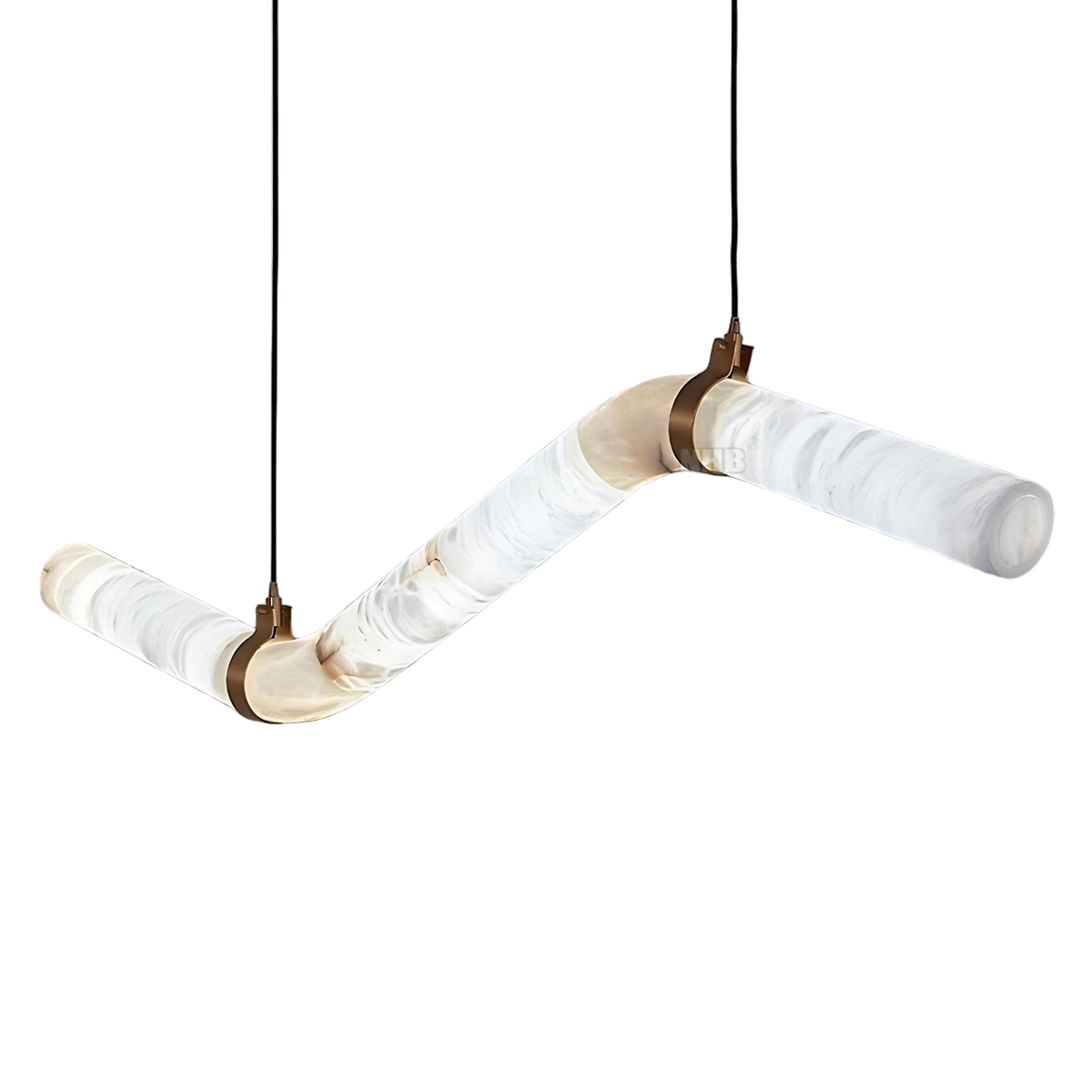
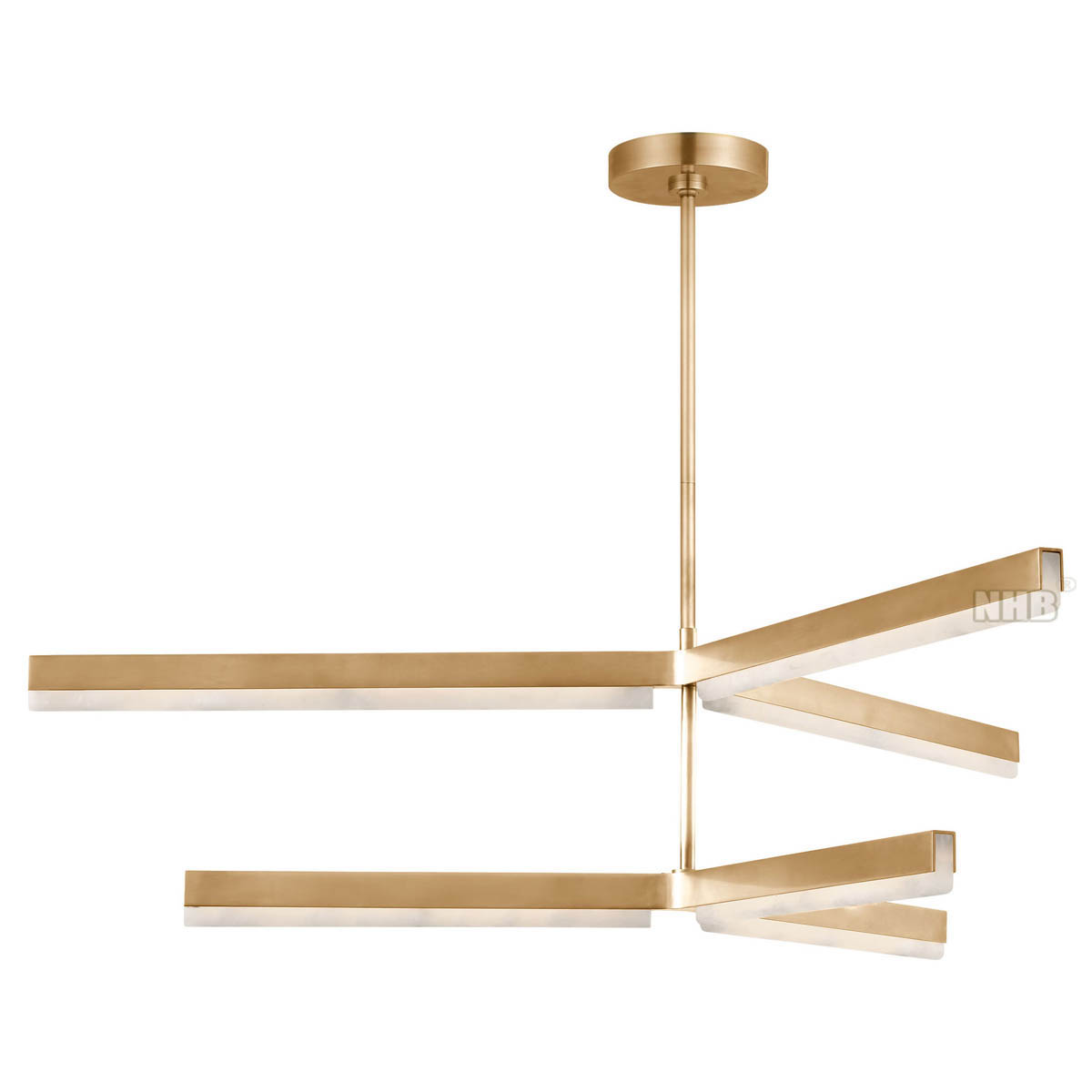
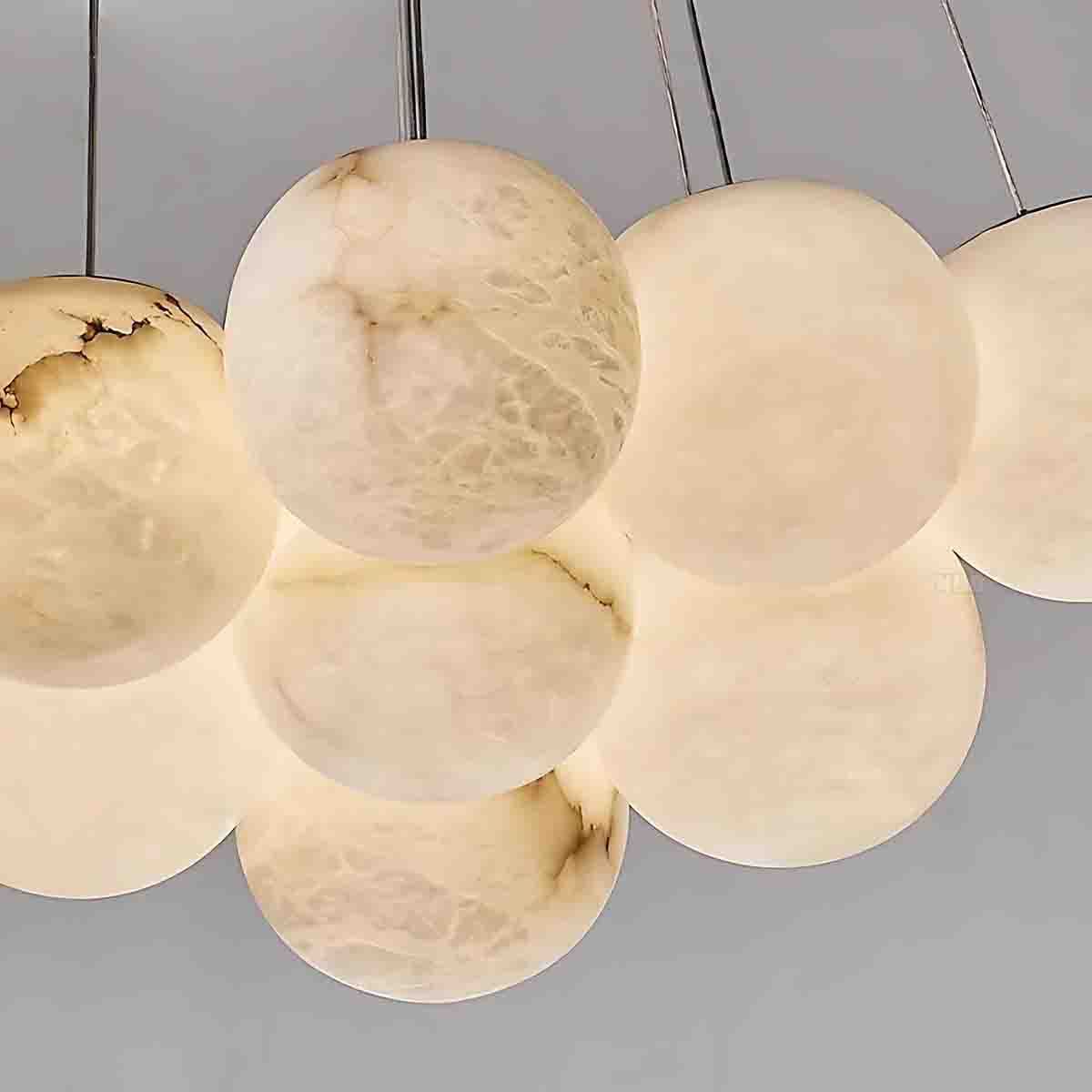
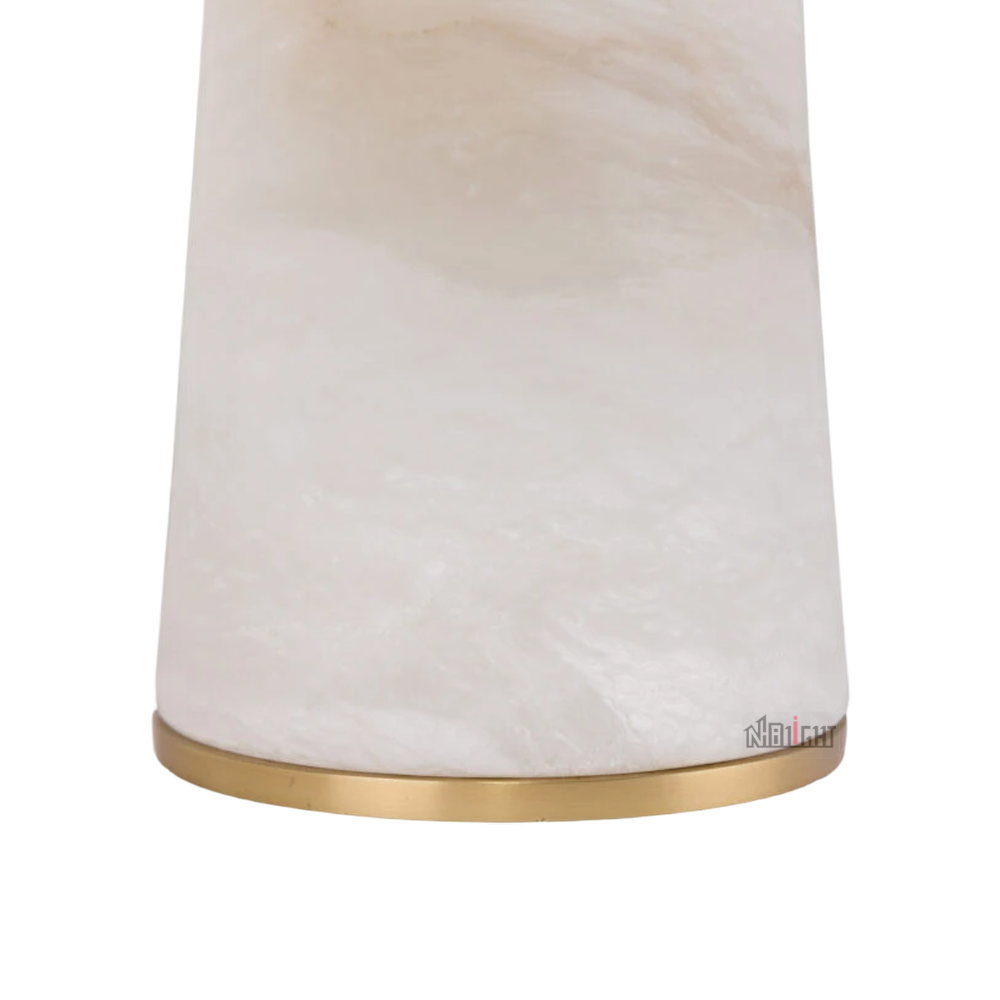
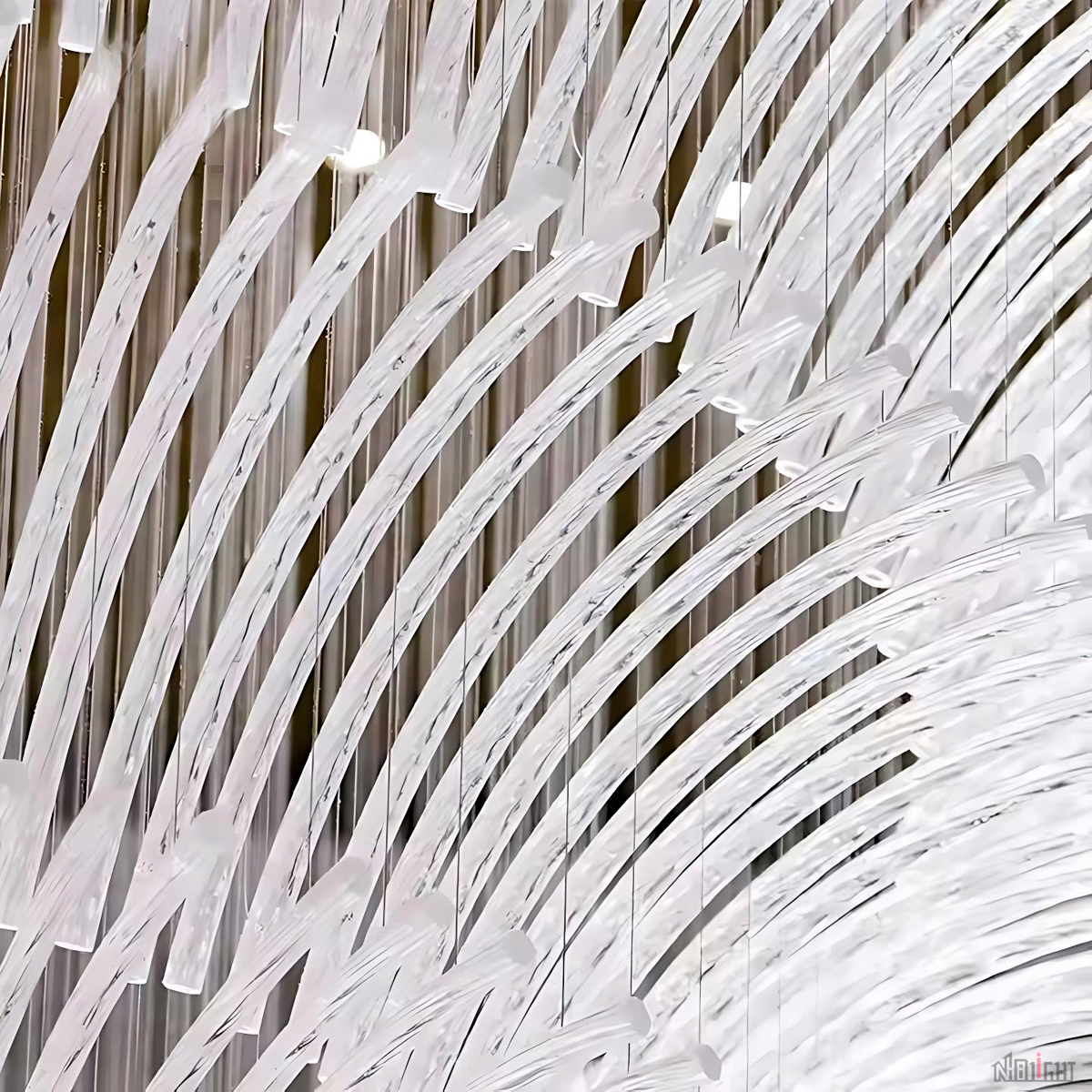
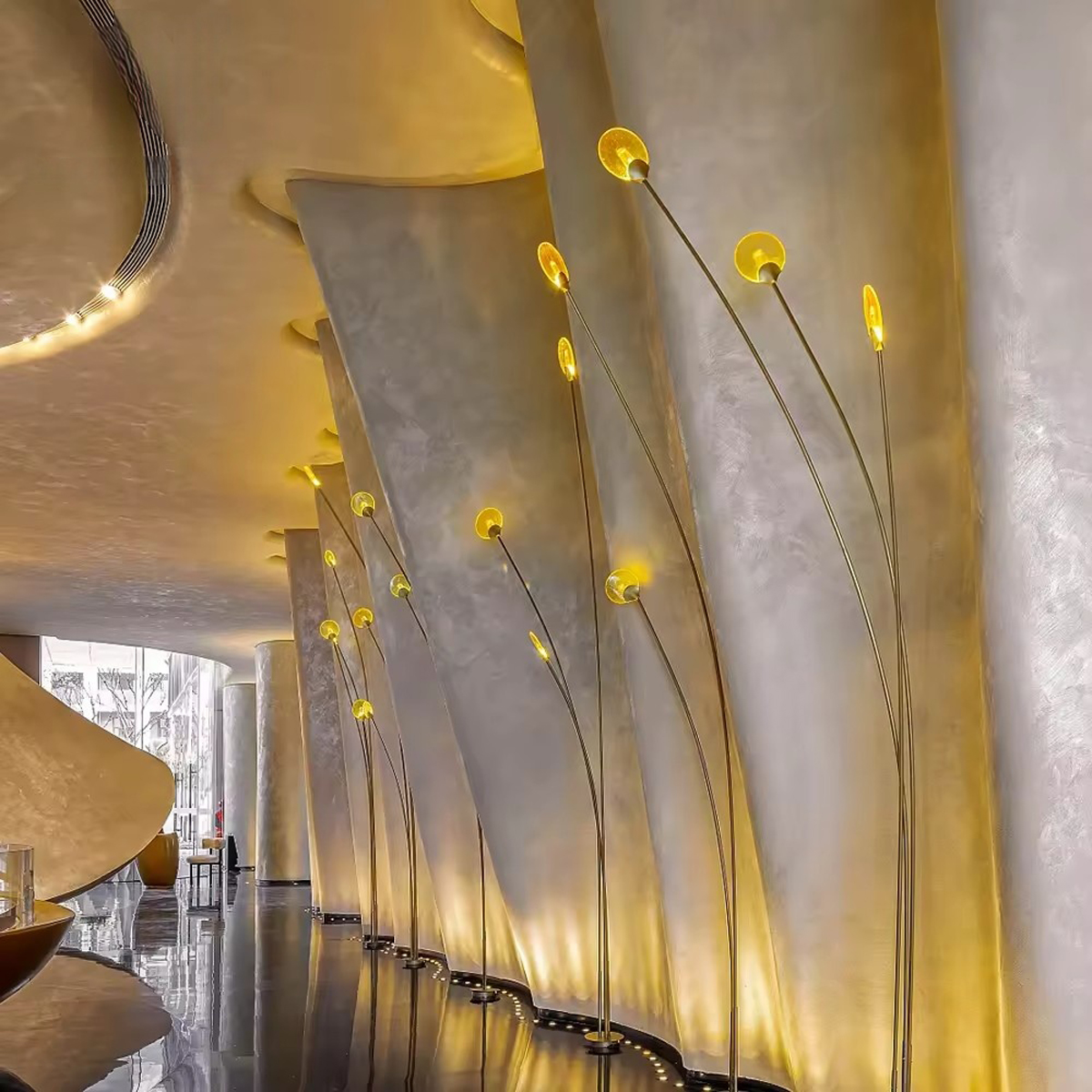
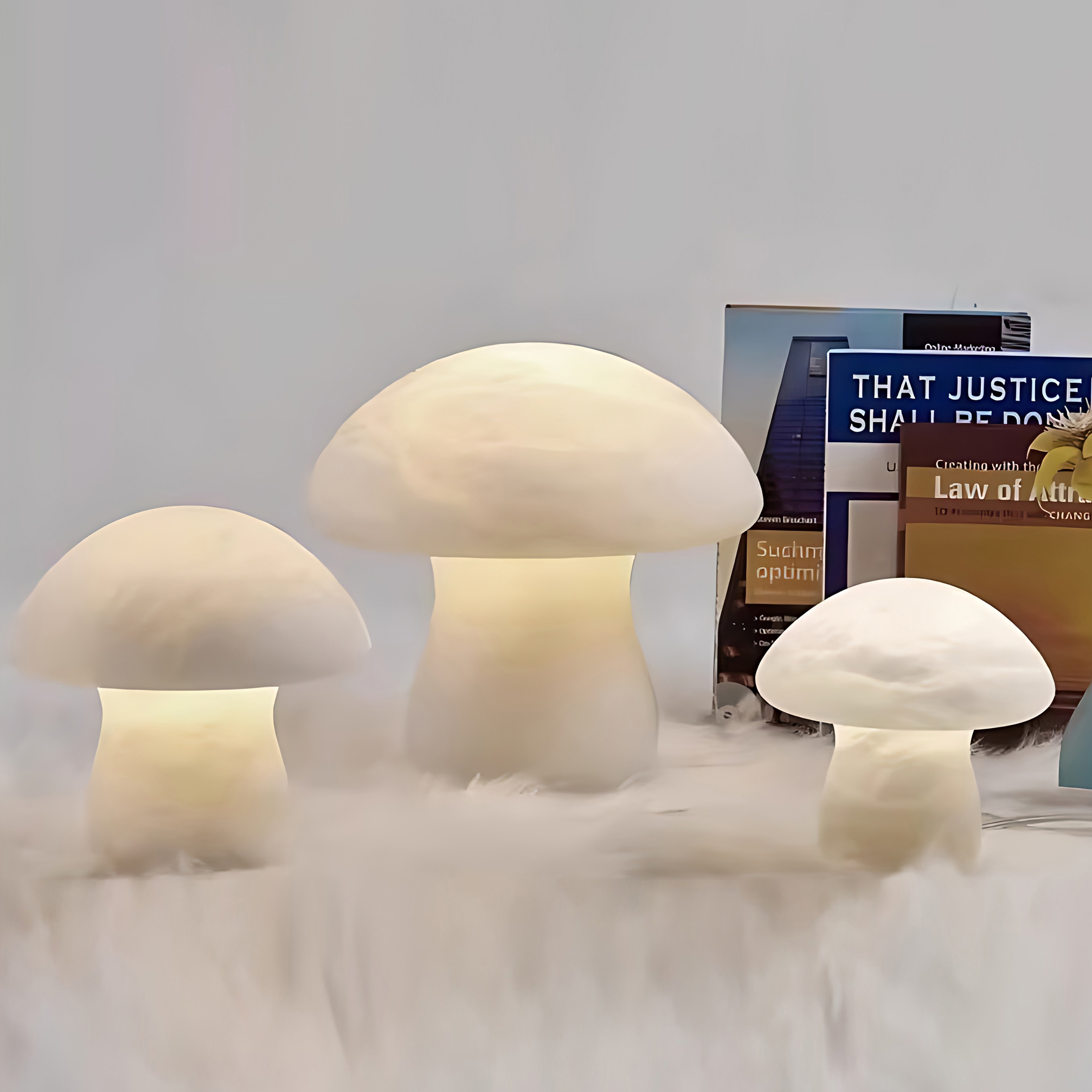
Τα φυσικά υλικά έχουν πάντα διαδραματίσει σημαντικό ρόλο στον διακοσμητικό φωτισμό. Ανάμεσά τους, το αλάβαστρο ξεχωρίζει για τον μοναδικό συνδυασμό της φυσικής του ομορφιάς, της απαλής διαφάνειάς του και της επεξεργασίας του.
Σε σύγκριση με το γυαλί, το ακρυλικό και άλλα συνηθισμένα υλικά φωτισμού, ο φωτισμός από αλάβαστρο προσφέρει συχνά μια πολύ διαφορετική οπτική και αισθητή εμπειρία.
Τι λοιπόν καθιστά το φωτισμό από αλάβαστρο πιο αξιόλογο από άλλα υλικά;
Η απάντηση βρίσκεται όχι μόνο στο ίδιο το πέτρωμα, αλλά και στον τρόπο επιλογής, επεξεργασίας, σχεδιασμού και μετατροπής του σε τελικό προϊόν φωτισμού.
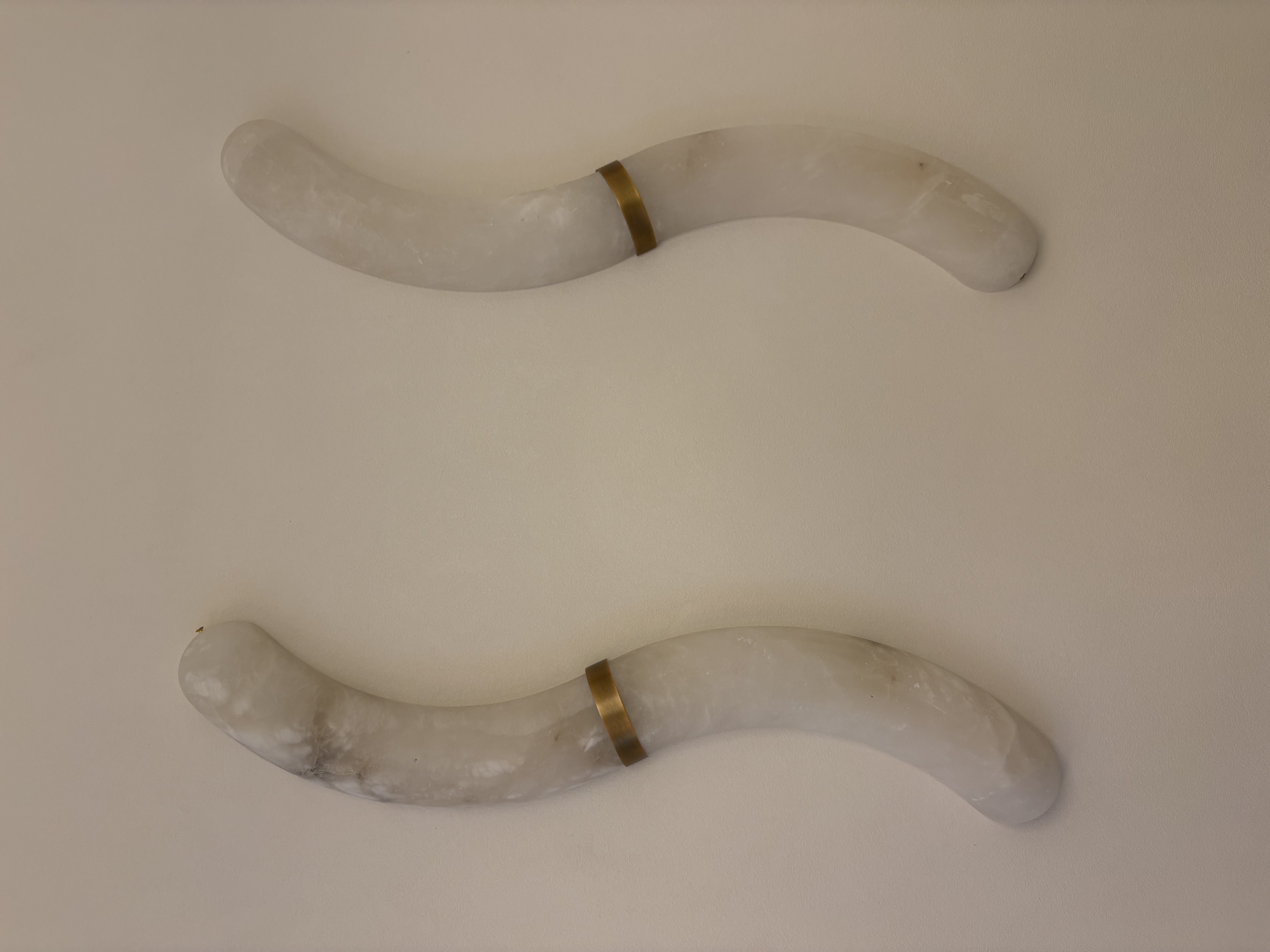
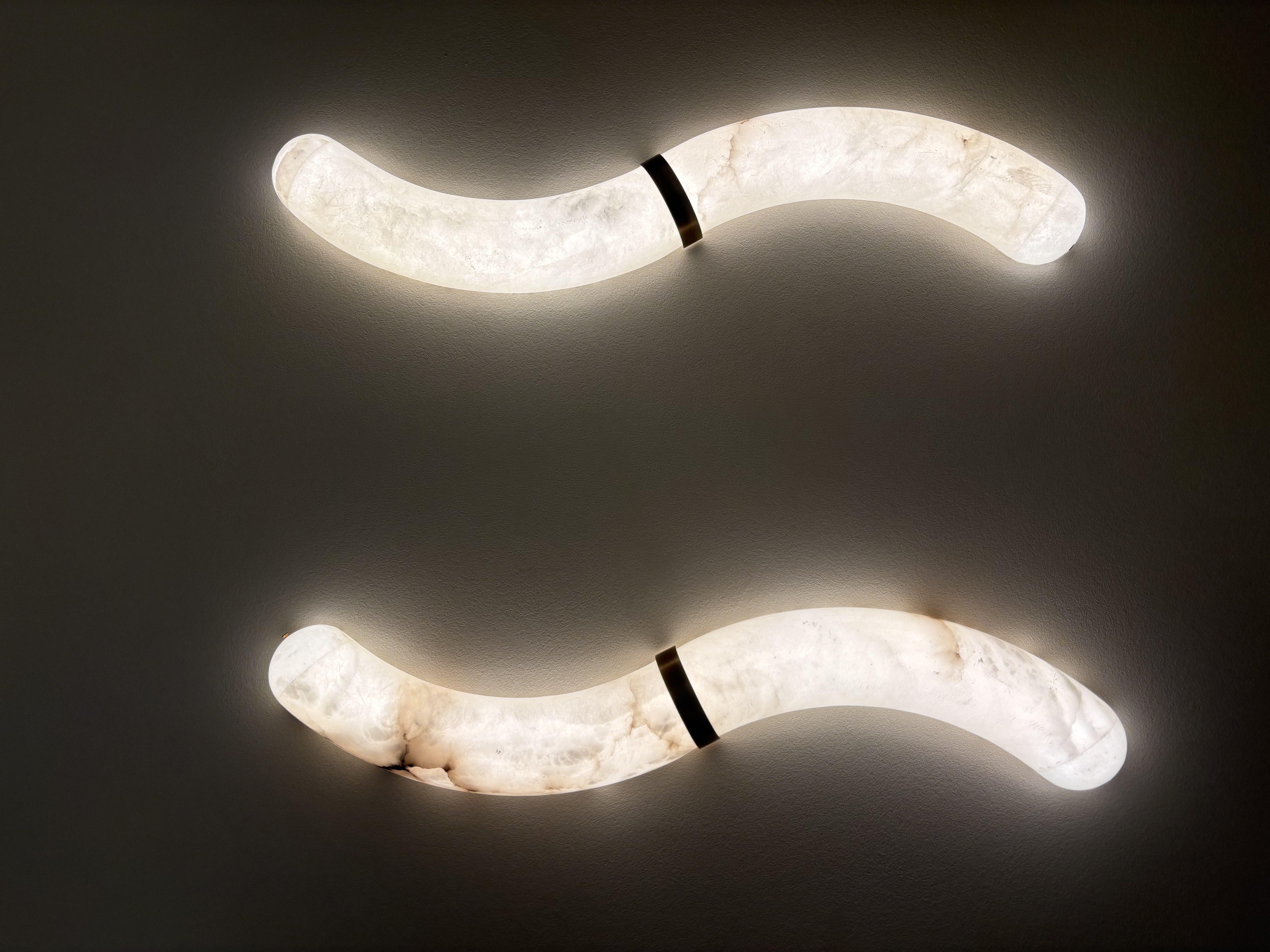
1. Κάθε κομμάτι φυσικού αλαβάστρου είναι μοναδικό
Σε αντίθεση με τα τεχνητά υλικά, τα οποία μπορούν να παραχθούν με σχεδόν ταυτόσημα χρώματα και μοτίβα, το φυσικό αλάβαστρο δημιουργείται από τη φύση.
Κάθε κομμάτι έχει τις δικές του φλέβες, τη δική του διαφάνεια, τον δικό του τόνο και ελαφρές παραλλαγές. Ορισμένα πετρώματα παρουσιάζουν απαλά θολωτά μοτίβα, ενώ άλλα εμφανίζουν πιο ορατές φλέβες και θερμότερα φυσικά χρώματα.
Αυτό σημαίνει ότι κανένα δύο λαμπτήρες από αλάβαστρο δεν θα μοιάζουν ακριβώς το ίδιο.
Για τον διακοσμητικό φωτισμό, αυτές οι φυσικές διαφορές δεν θεωρούνται ελαττώματα. Αντιθέτως, αποτελούν μέρος του χαρακτήρα του τελικού προϊόντος.
2. Προσεκτική επιλογή και επεξεργασία του υλικού
Δεν κάθε κομμάτι ακατέργαστου αλαβάστρου είναι κατάλληλο για κάθε σχεδιασμό φωτισμού.
Πριν από την παραγωγή, ο λίθος πρέπει να επιλεγεί βάσει των απαιτούμενων διαστάσεων, σχήματος, διαφάνειας και γενικής εμφάνισης του φωτιστικού.
Το υλικό στη συνέχεια υφίσταται αρκετά στάδια επεξεργασίας, όπως κοπή, διαμόρφωση, διάτρηση, λείανση και πολύρανση.
Φυσικές ρωγμές, ακατάλληλες περιοχές ή πολύπλοκα σχήματα προϊόντων μπορεί να απαιτούν την αφαίρεση μερών του λίθου κατά την παραγωγή. Για μεγαλύτερα ή πιο γλυπτικά σχέδια, απαιτείται ακόμη μεγαλύτερη προσοχή.
Αυτή η προσεκτική επιλογή και επεξεργασία βοηθά να διασφαλιστεί ότι ο λίθος συνεργάζεται φυσικά με τον τελικό σχεδιασμό.
3. Η εμπειρία των ειδικευμένων τεχνιτών κάνει τη διαφορά
Το αλάβαστρο είναι πιο μαλακό και ευαίσθητο από πολλά άλλα πετρώματα.
Οι χαρακτηριστικές του ιδιότητες το καθιστούν ιδανικό για καμπύλες, γλυπτικές και διακοσμητικές μορφές, αλλά απαιτούν επίσης προσεκτική χειριστικότητα κατά τη διάρκεια της παραγωγής.
Απαιτούνται εμπειρικοί εργαζόμενοι σε όλες τις φάσεις της κοπής, λείανσης, συναρμολόγησης και ρύθμισης, προκειμένου να μειωθεί ο κίνδυνος ζημιάς και να επιτευχθεί η επιθυμητή μορφή και επιφάνεια.
Για προσαρμοστικά ή πιο περίπλοκα φωτιστικά, ο βαθμός εξειδίκευσης γίνεται ακόμη πιο σημαντικός.
4. Το αλάβαστρο δημιουργεί ένα ξεχωριστό φωτιστικό αποτέλεσμα
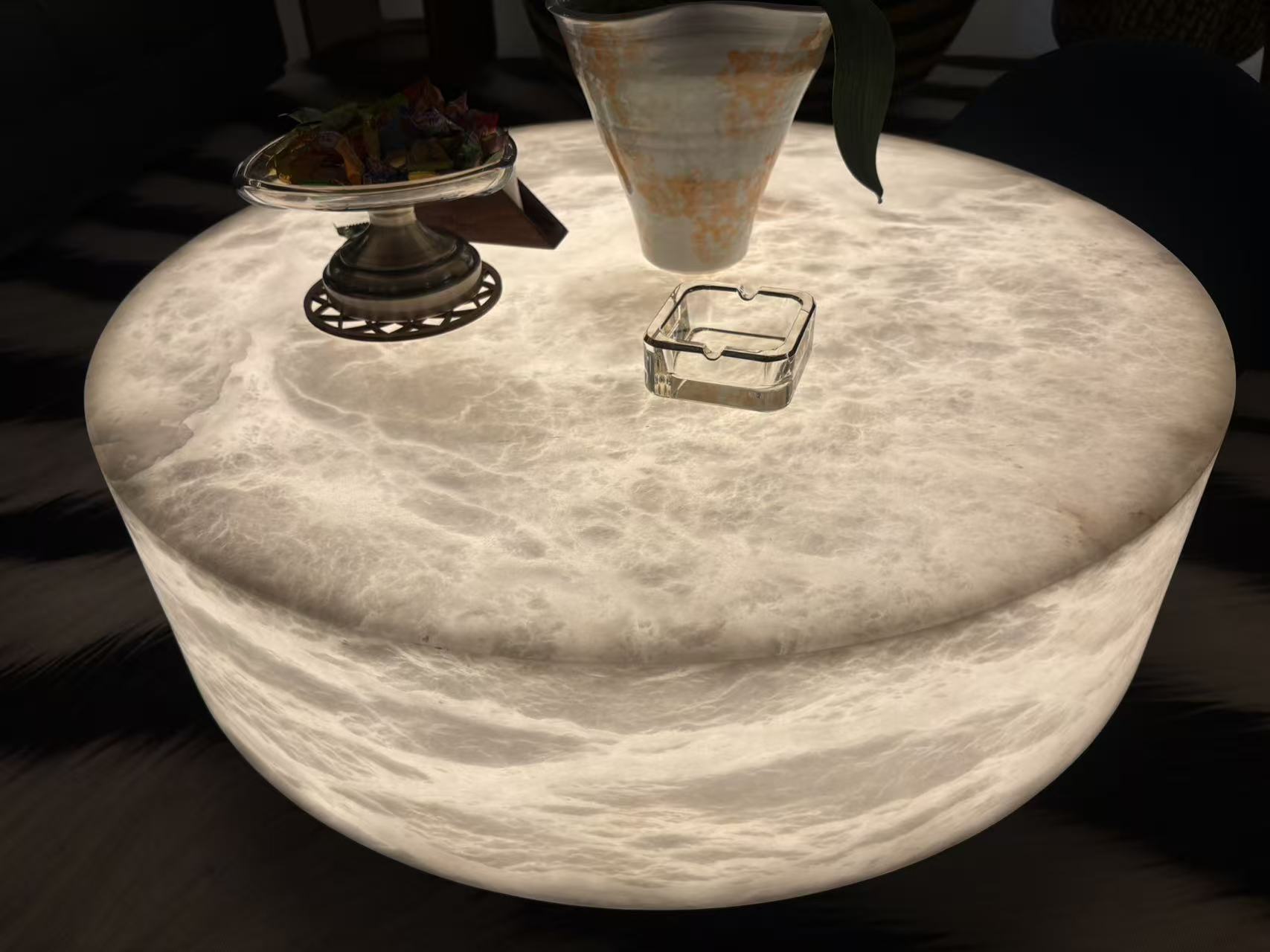
Ένας από τους σημαντικότερους λόγους για τους οποίους το αλάβαστρο εκτιμάται στον τομέα του φωτισμού είναι η διαφάνειά του.
Όταν το φωτιστικό είναι σβηστό, το πέτρωμα εμφανίζει ήδη φυσικές ραβδώσεις και ελαφρές τονικές διαφοροποιήσεις. Ωστόσο, όταν ανάβει, το υλικό αποκτά εντελώς διαφορετικό χαρακτήρα.
Το φως διέρχεται απαλά μέσω του πετρώματος, αποκαλύπτοντας βαθύτερα στρώματα υφής και δημιουργώντας μια ζεστή, διάχυτη λάμψη.
Αυτό το αποτέλεσμα είναι δύσκολο να αναπαραχθεί με συνηθισμένο γυαλί, ακρυλικό ή άλλα τεχνητά υλικά, επειδή οι φυσικοί σχηματισμοί του αλαβάστρου δημιουργούνται εντός του ίδιου του πετρώματος.
5. Το πέτρωμα και η πηγή φωτός πρέπει να λειτουργούν από κοινού
Ένα καλό λαμπτήρας αλαβάστρου απαιτεί περισσότερα από την απλή τοποθέτηση μιας πηγής φωτός πίσω από ένα κομμάτι πέτρας.
Το πάχος και το σχήμα του αλαβάστρου, η θέση της πηγής φωτός και η εσωτερική δομή του φωτιστικού επηρεάζουν όλα το τελικό φωτιστικό αποτέλεσμα.
Εάν το πέτρωμα είναι πολύ παχύ, το φως μπορεί να φαίνεται πολύ αμυδρό. Εάν είναι πολύ λεπτό, μπορεί να επηρεαστεί η αντοχή του.
Η δομή του φωτισμού πρέπει επομένως να αναπτυχθεί προσεκτικά για να επιτευχθεί ισορροπία μεταξύ διαφάνειας, αντοχής και οπτικής άνεσης.
Αυτός ο συνδυασμός υλικού και σχεδιασμού φωτισμού αποτελεί σημαντικό μέρος της αξίας ενός καλά κατασκευασμένου φωτιστικού αλαβάστρου.
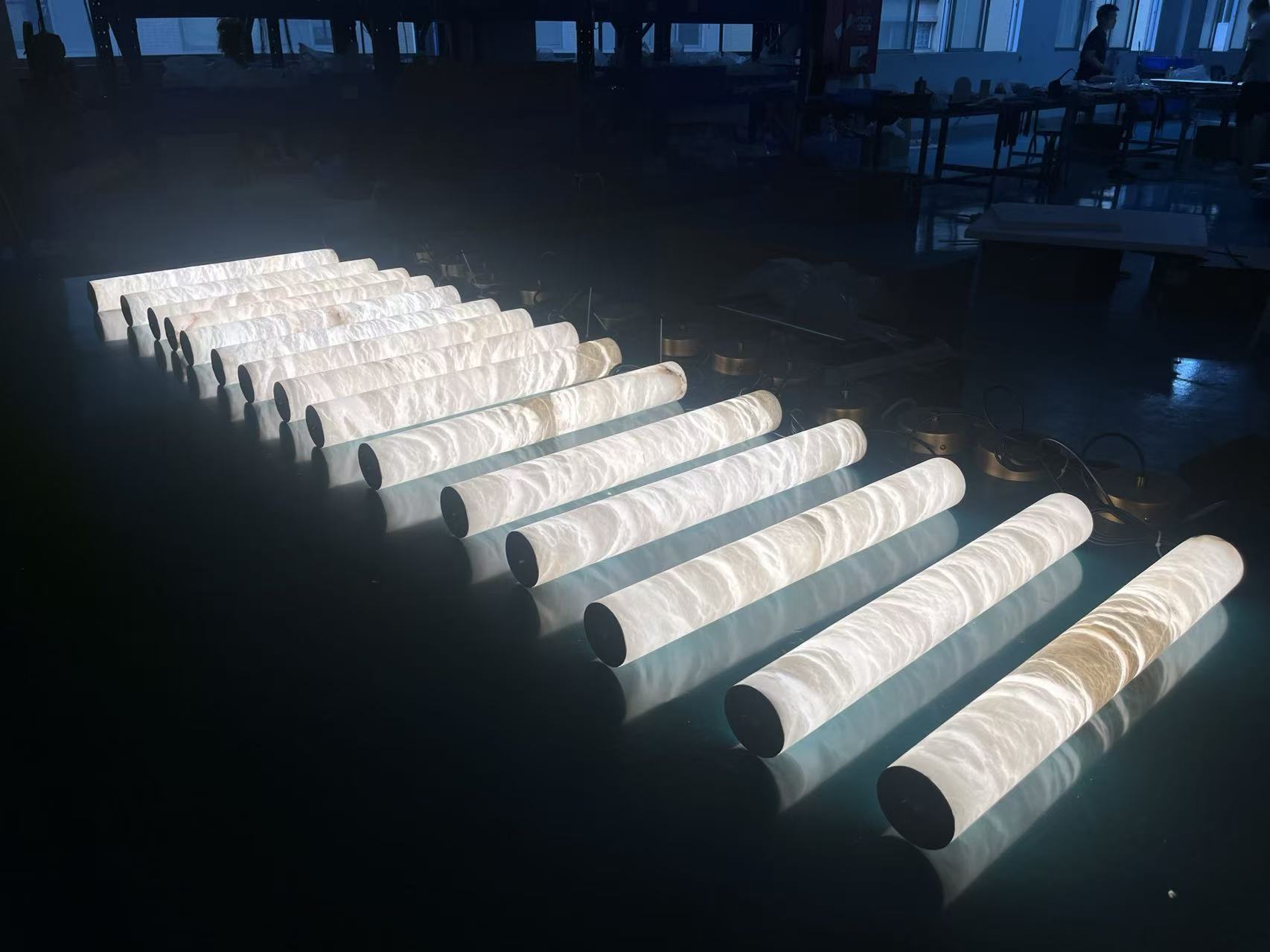
6. Αξιόπιστη δομή υποστηρίζει το φυσικό πέτρωμα
Τα φωτιστικά αλαβάστρου συνδυάζουν συχνά φυσικό πέτρωμα με χάλκινες ή άλλες μεταλλικές δομές.
Αυτά τα μεταλλικά εξαρτήματα δεν είναι απλώς διακοσμητικά. Πρέπει επίσης να υποστηρίζουν το βάρος του πετρώματος και να διατηρούν τη σταθερότητα της λυχνίας.
Για μεγαλύτερες πολυελαίους και προσαρμοσμένες εγκαταστάσεις φωτισμού, η πλάκα οροφής, το σύστημα κρέμασματος, η εσωτερική υποστήριξη και τα σημεία σύνδεσης πρέπει να λαμβάνονται υπόψη σύμφωνα με τις διαστάσεις και το βάρος του τελικού προϊόντος.
Μια καλά σχεδιασμένη δομή συμβάλλει τόσο στην εμφάνιση όσο και στη μακροπρόθεσμη αξιοπιστία της λυχνίας.
7. Οι δοκιμές αποτελούν μέρος της διαδικασίας παραγωγής
Μετά τη συναρμολόγηση, η λυχνία πρέπει να υποβληθεί σε έλεγχο και δοκιμές πριν από τη συσκευασία.
Ανάλογα με το προϊόν και τις απαιτήσεις της παραγγελίας, αυτό μπορεί να περιλαμβάνει δοκιμές φωτισμού, ηλεκτρικούς ελέγχους και δοκιμές γήρανσης για να επιβεβαιωθεί ότι το προϊόν λειτουργεί σωστά και παραμένει σταθερό.
Για παραγγελίες μεγάλης κλίμακας, οι δοκιμές βοηθούν επίσης να διασφαλιστεί η συνέπεια μεταξύ πολλών τελικών λυχνιών.
Στην NHB Lighting, οι επιθεωρήσεις και οι δοκιμές αποτελούν σημαντικά βήματα στη διαδικασία παραγωγής μας προτού τα προϊόντα προχωρήσουν στην τελική συσκευασία.
8. Η προστατευτική συσκευασία βοηθά να διατηρηθεί η ποιότητα του προϊόντος
Επειδή το αλάβαστρο είναι φυσικός λίθος, η κατάλληλη συσκευασία είναι ιδιαίτερα σημαντική για τις διεθνείς μεταφορές.
Ανάλογα με το μέγεθος και τη δομή του προϊόντος, η συσκευασία μπορεί να περιλαμβάνει ενισχυμένα εξαγωγικά κιβώτια, εσωτερικά προστατευτικά υλικά και ξύλινα πλαίσια για επιπλέον στήριξη.
Τα μεγαλύτερα ή βαρύτερα φωτιστικά ενδέχεται να απαιτούν πιο ισχυρές διατάξεις συσκευασίας για να μειωθεί η κίνηση, η συμπίεση και η κρούση κατά τη χειρίσιμη επεξεργασία και τη μεταφορά.
Η συσκευασία δεν είναι επομένως απλώς ένα επιπλέον βήμα· αποτελεί μέρος της προστασίας της ποιότητας του τελικού προϊόντος μέχρι να φτάσει στον πελάτη.
9. Τα φωτιστικά αλαβάστρου προσφέρουν μεγαλύτερες δυνατότητες προσαρμογής
Τα φωτιστικά αλαβάστρου χρησιμοποιούνται ευρέως σε βίλες, ξενοδοχεία, εστιατόρια, κατοικίες και άλλα εσωτερικά έργα.
Διαφορετικοί χώροι απαιτούν συχνά διαφορετικές διαστάσεις, ύψη κρέμασματος, επεξεργασίες επιφάνειας, διατάξεις πετρώματος και ηλεκτρικές διαμορφώσεις.
Επειδή το αλάβαστρο μπορεί να κοπεί και να διαμορφωθεί σε μια ευρεία ποικιλία μορφών, προσφέρει στους σχεδιαστές και τους πελάτες έργων μεγαλύτερη ευελιξία κατά την ανάπτυξη προσαρμοσμένων λύσεων φωτισμού.
Στη NHB Lighting, μπορούμε να προσαρμόσουμε διαστάσεις, επεξεργασίες χαλκού, διατάξεις κρέμασματος και διαμορφώσεις προϊόντων σύμφωνα με τις διαφορετικές απαιτήσεις των έργων.
Η Αξία του Φωτισμού με Αλάβαστρο
Η αξία του φωτισμού με αλάβαστρο προέρχεται από πολύ περισσότερα από το ίδιο το υλικό.
Είναι ο συνδυασμός επιλογής φυσικού πετρώματος, εμπειρίας στην τεχνική επεξεργασίας, σκεπτικού σχεδιασμού φωτισμού, αξιόπιστης δομής, δοκιμών προϊόντων, προστατευτικής συσκευασίας και προσαρμογής που δημιουργεί το τελικό προϊόν.
Σε αντίθεση με τα εξαιρετικά τυποποιημένα βιομηχανικά υλικά, κάθε κομμάτι φυσικού αλαβάστρου έχει τη δική του διαγράμμιση, διαφάνεια και χαρακτήρα.
Όταν φωτίζονται, αυτές οι φυσικές παραλλαγές γίνονται μέρος του σχεδιασμού, προσδίδοντας σε κάθε τελικό φωτιστικό μια ξεχωριστή εμφάνιση.
Στην NHB Lighting χρησιμοποιούμε φυσικό αλάβαστρο για να δημιουργούμε πολυέλαιους, κρεμαστά φωτιστικά, τοίχου, τραπεζιού και πατώματος για κατοικίες, ξενοδοχειακά και εμπορικά έργα.
Για αγοραστές, σχεδιαστές και πελάτες έργων, τα φωτιστικά από αλάβαστρο είναι περισσότερο από απλώς μια πηγή φωτός. Συνδυάζουν φυσικό υλικό, εργασία με επιδεξιότητα και διακοσμητική αξία με τρόπο που καθιστά κάθε φωτιστικό μοναδικό. 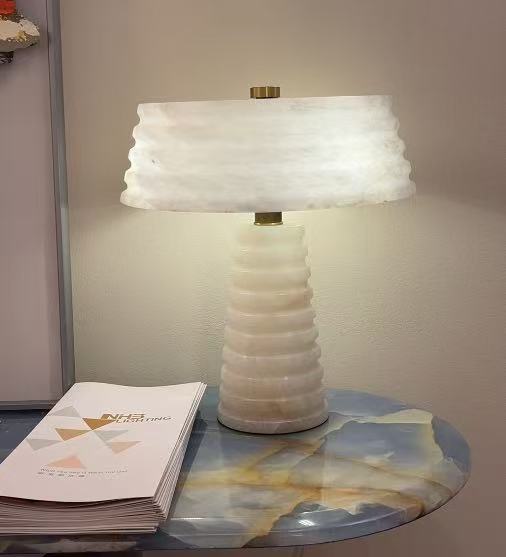
 Σημαντικά Νέα
Η NHB Lighting είναι κατασκευαστής φωτιστικών από αλάβαστρο με άμεση σύνδεση με το εργοστάσιο για ξενοδοχεία, βίλες και πολυτελή κατοικίες. Οι χειροποίητοι πολυέλαιοί μας, οι υπηρεσίες OEM/ODM, ο αυστηρός έλεγχος ποιότητας και η παγκόσμια διανομή εγγυώνται αιώνια ευγένεια. Εμπιστοσύνη παγκοσμίως — εξερευνήστε πάνω από 500 σχέδια.


Building C,No.2,Fuqing 2nd Road ,Yongxing Industrial Zone,HenglanTown,Zhongshan City,Guangdong Province,China
Copyright © 2026 by NHB Lighting ΠΟΛΙΤΙΚΗ ΑΠΟΡΡΗΤΟΥ
 EN
EN