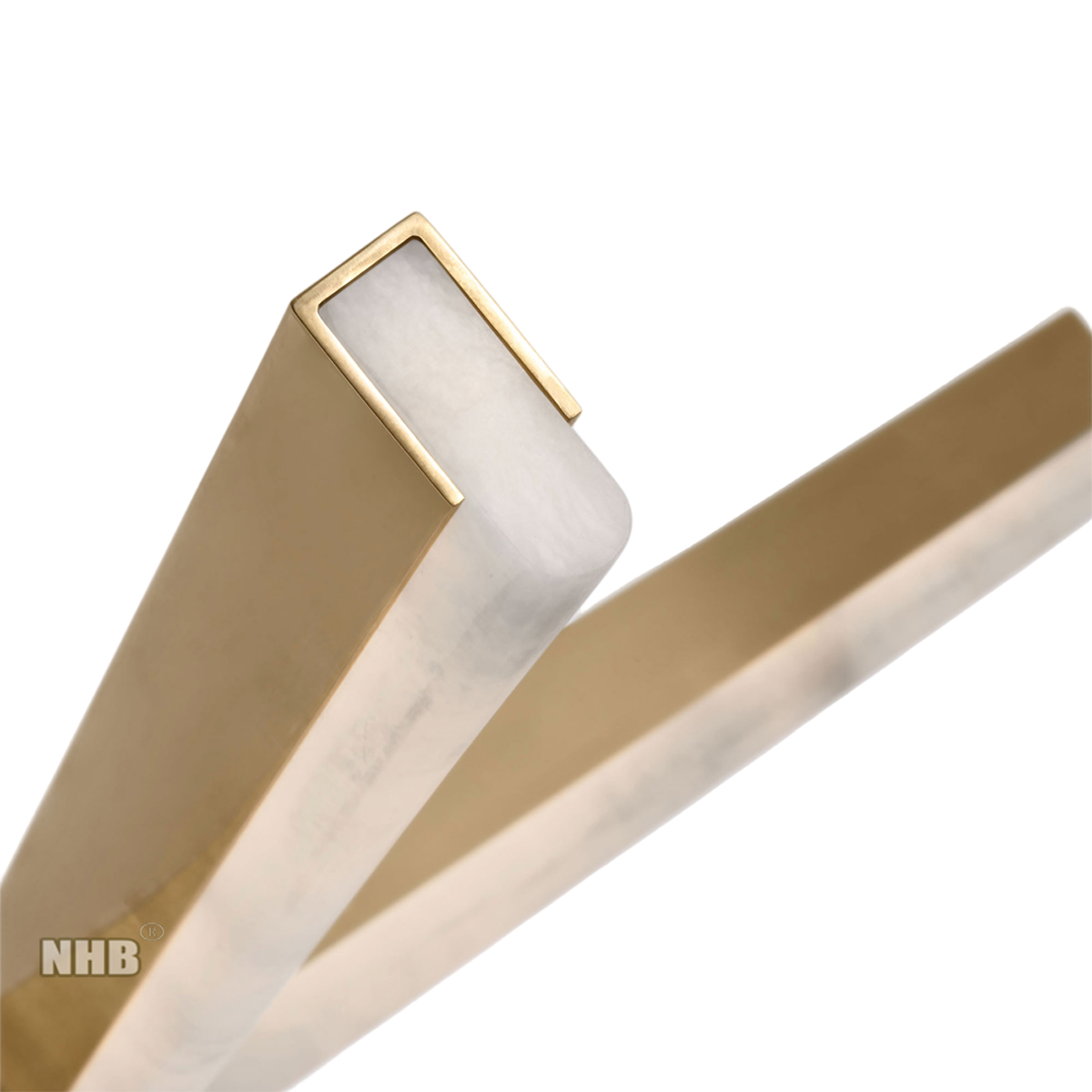
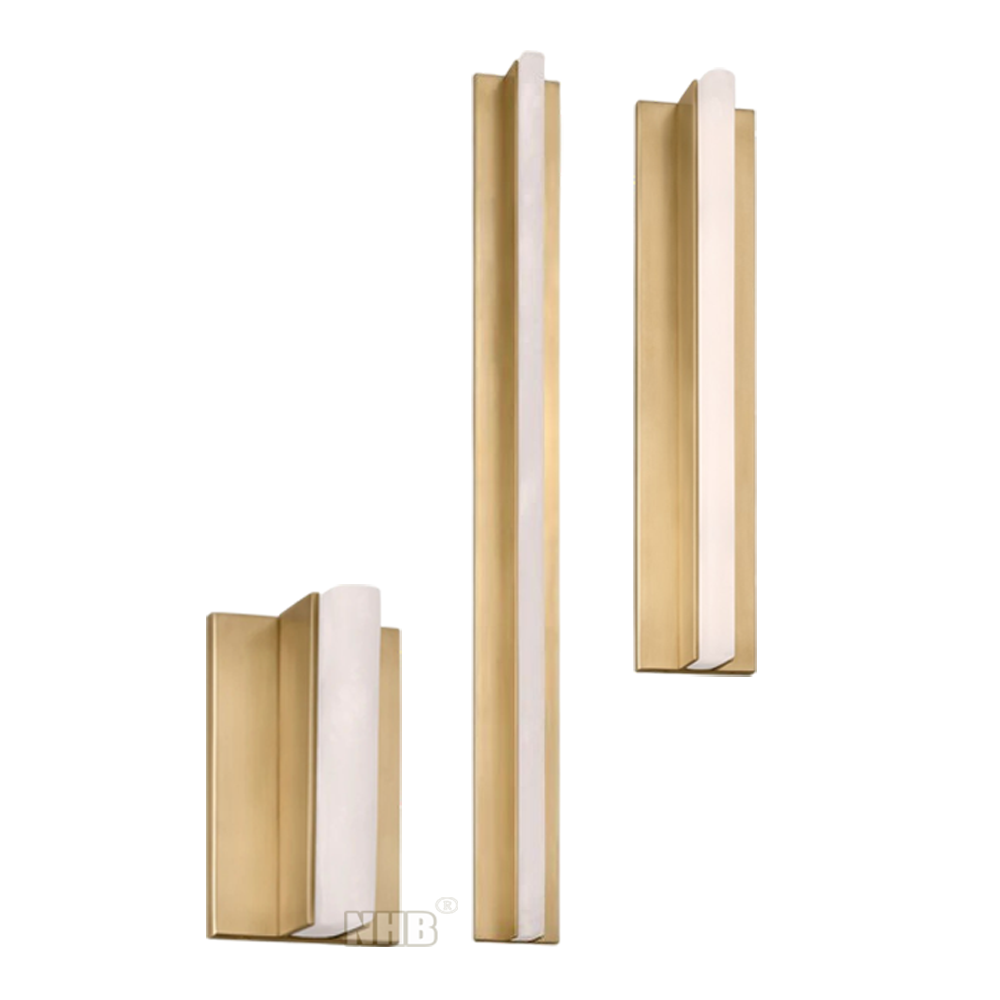
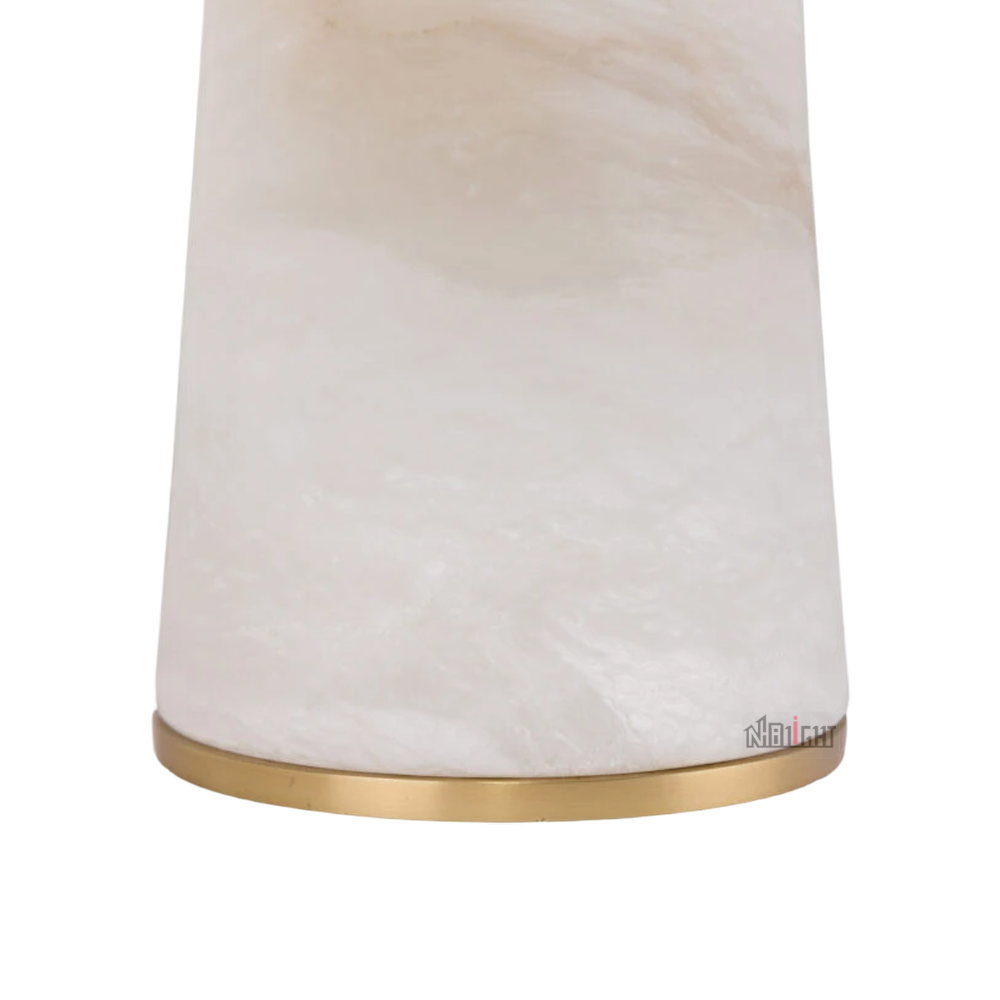
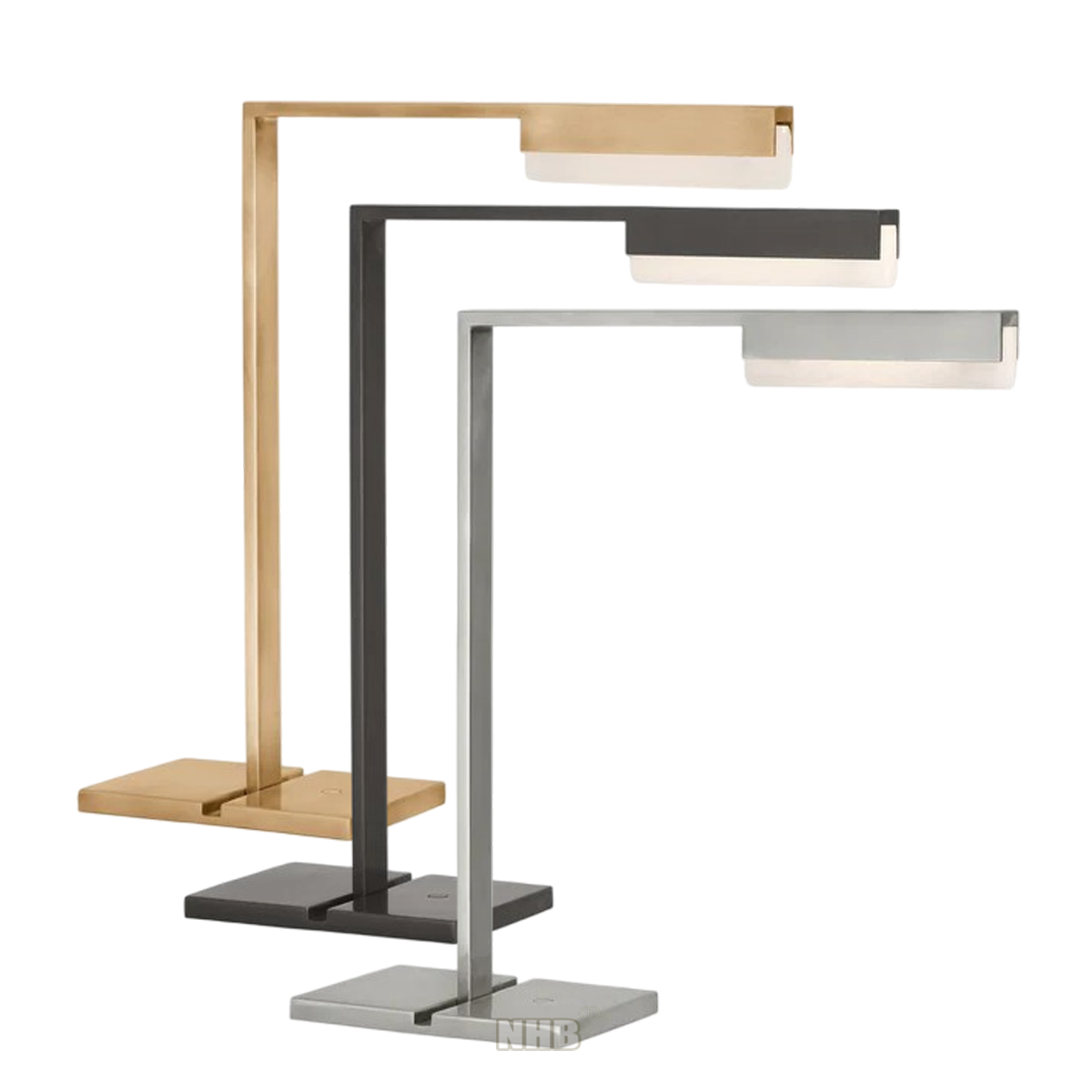
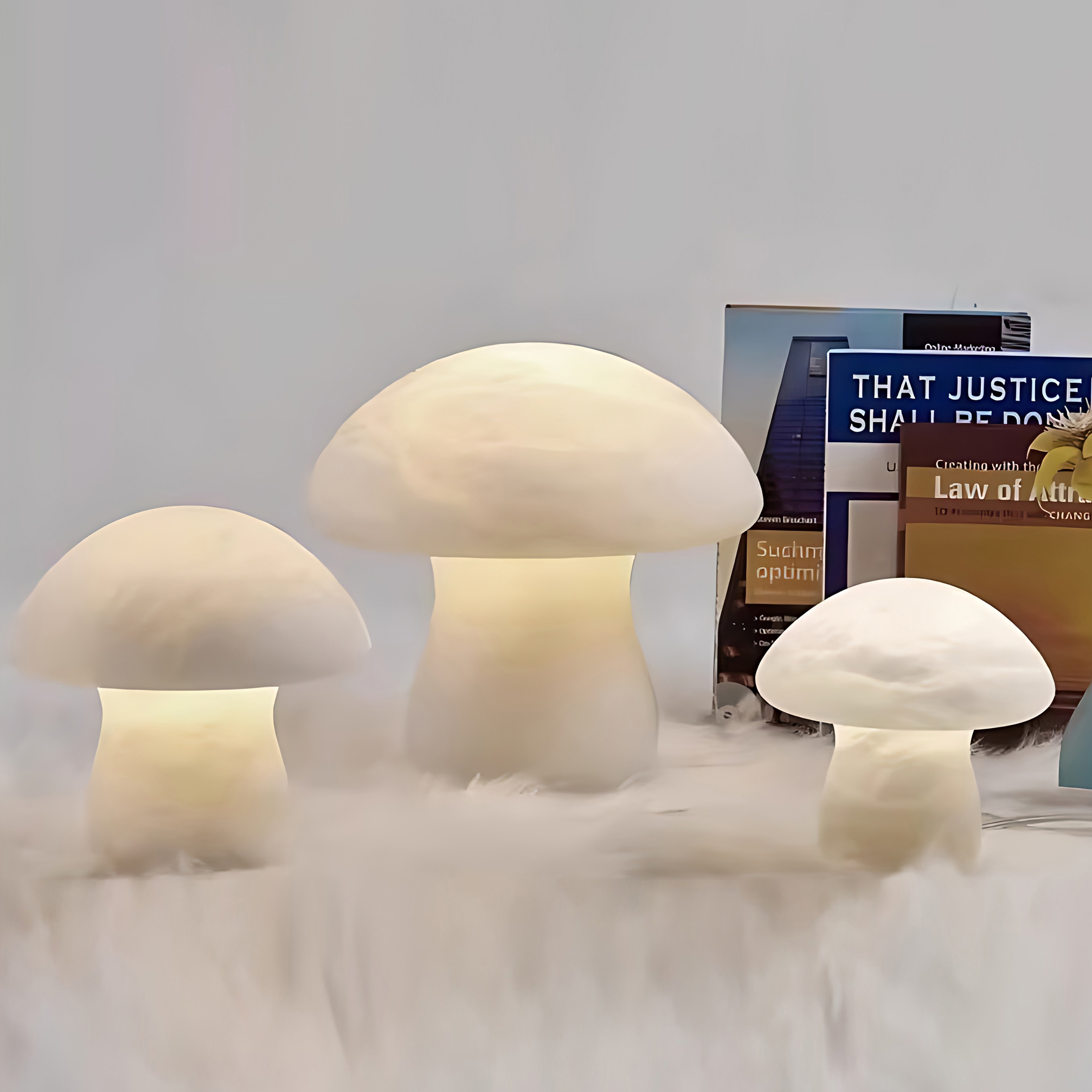
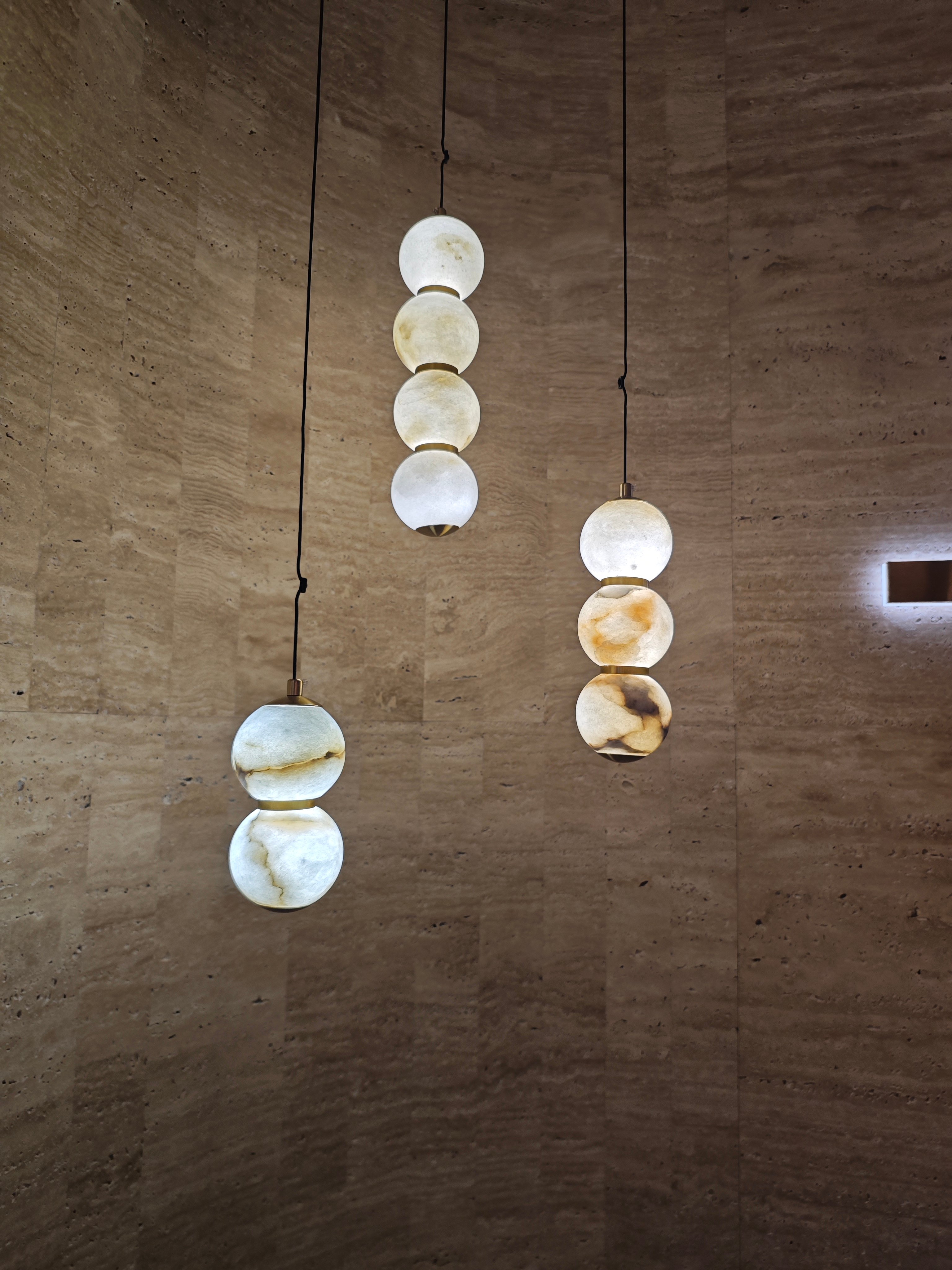
Natuurlijk albast wordt veel gebruikt in kroonluchters, wandlampen, tafellampen en staande lampen vanwege zijn zachte doorschijnendheid, warme uitstraling en unieke natuurlijke aders.
Twee producten van natuurlijk albast kunnen echter zeer verschillende prijzen hebben. Naast de materiaalkwaliteit, adering en bewerkingsmoeilijkheid is ook de herkomst van de steen een belangrijke factor.
Natuurlijk albast dat wordt gebruikt in de verlichtingsindustrie komt meestal uit Spanje, Iran en China.
Op basis van onze ervaring met internationale klanten en marktfeedback is Spaans albast over het algemeen het populairst, gevolgd door Iraans albast en Chinees albast. Hun typische prijzen volgen meestal dezelfde volgorde.
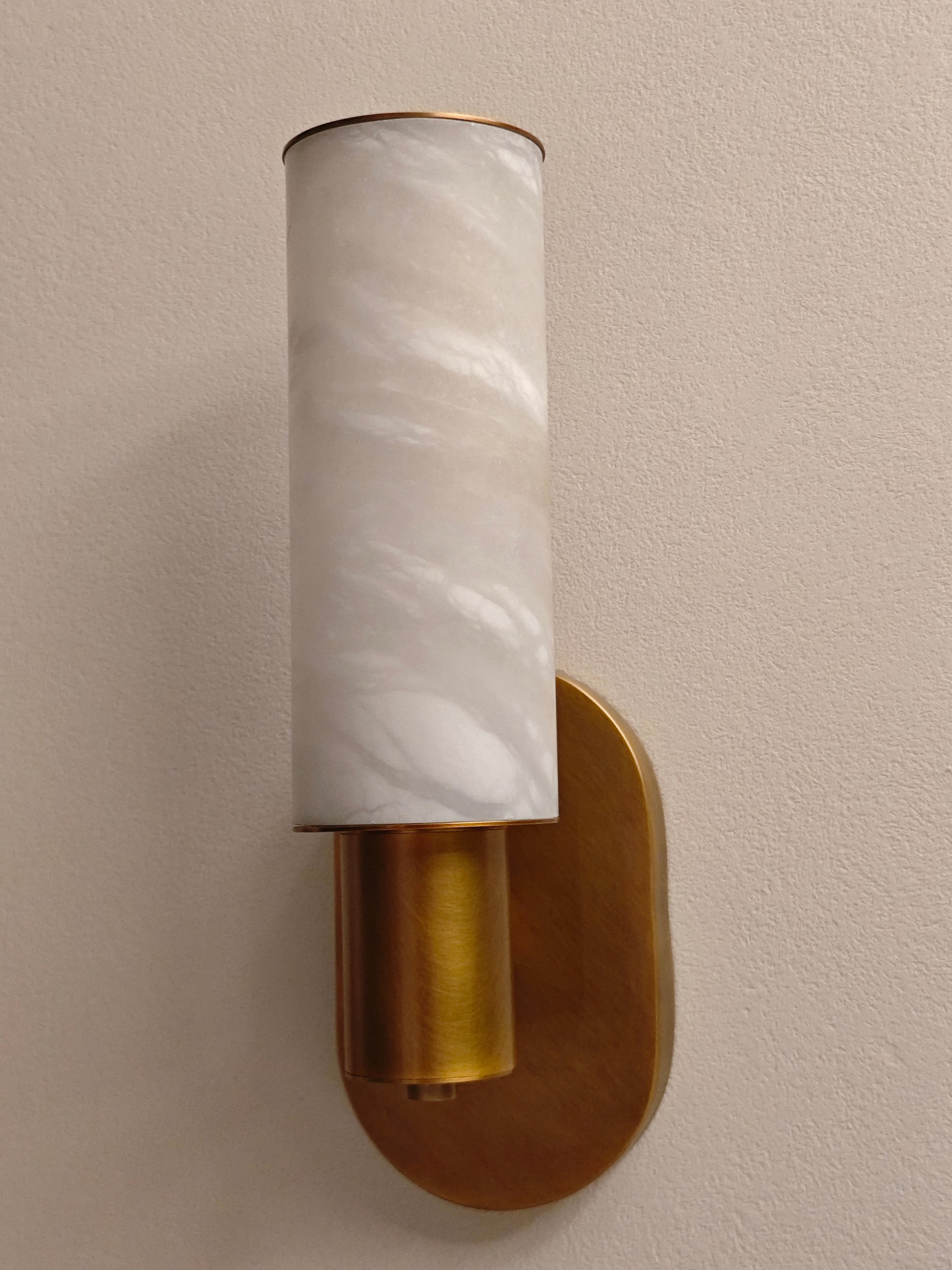
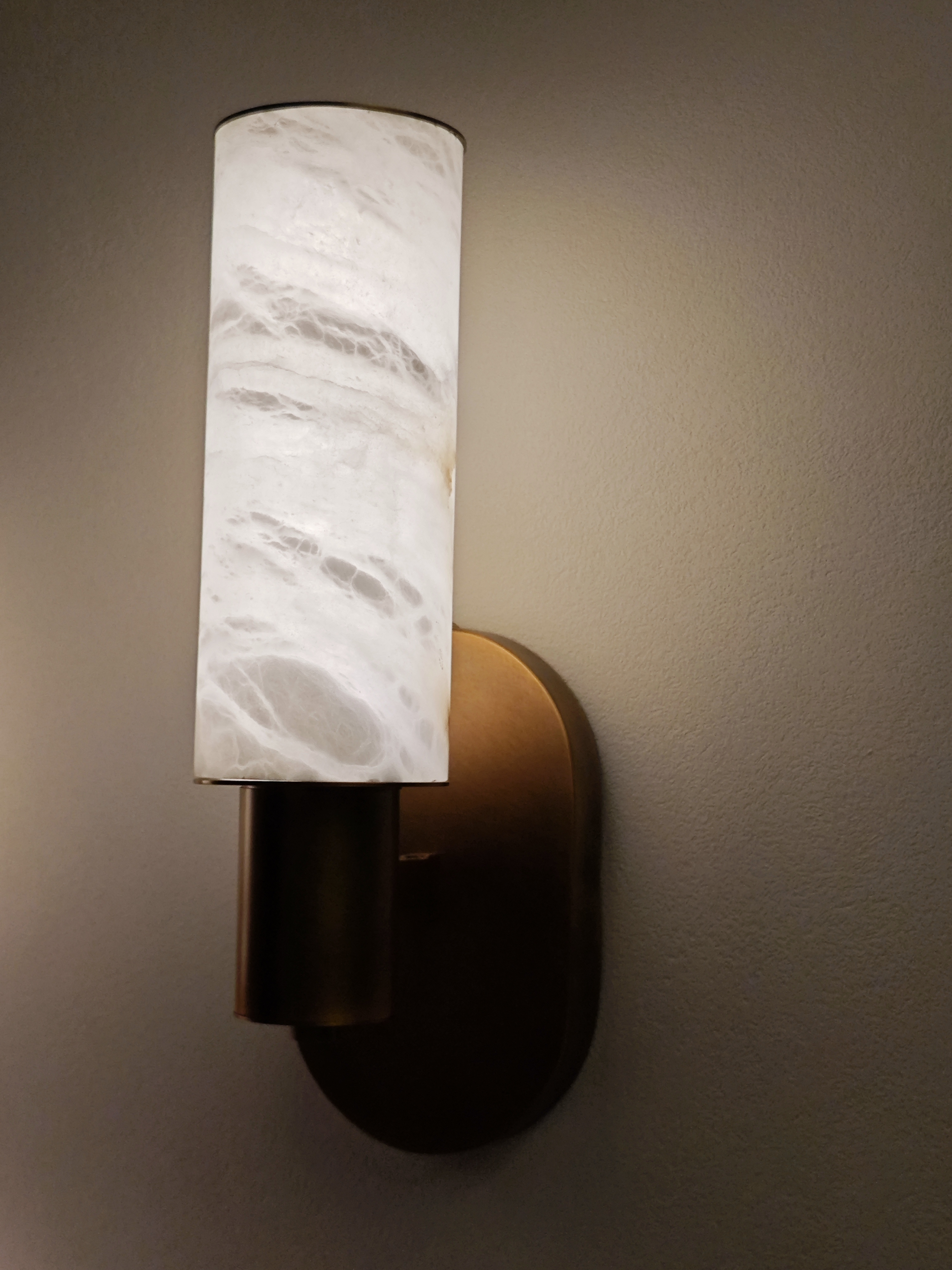
Spaans albast wordt veel gewaardeerd om zijn zachte doorschijnendheid en natuurlijke wolkachtige patronen.
Veelgebruikte keuzes omvatten helder doorschijnend materiaal, materiaal met sneeuwvlokpatronen, materiaal met bruine aders en materiaal met donkere aders.
Zorgvuldig geselecteerde Spaanse albast heeft meestal een schoner basiskleur en een warmer, gelijkmatiger verlichtingseffect. Het wordt daarom vaak gebruikt in verlichting voor hotels, villa’s, restaurants en premium commerciële interieurs.
Vanwege de hogere grondstofkosten, internationale transportkosten, strenge selectie en verwerkingsverlies is Spaanse albast over het algemeen de duurste van de drie.
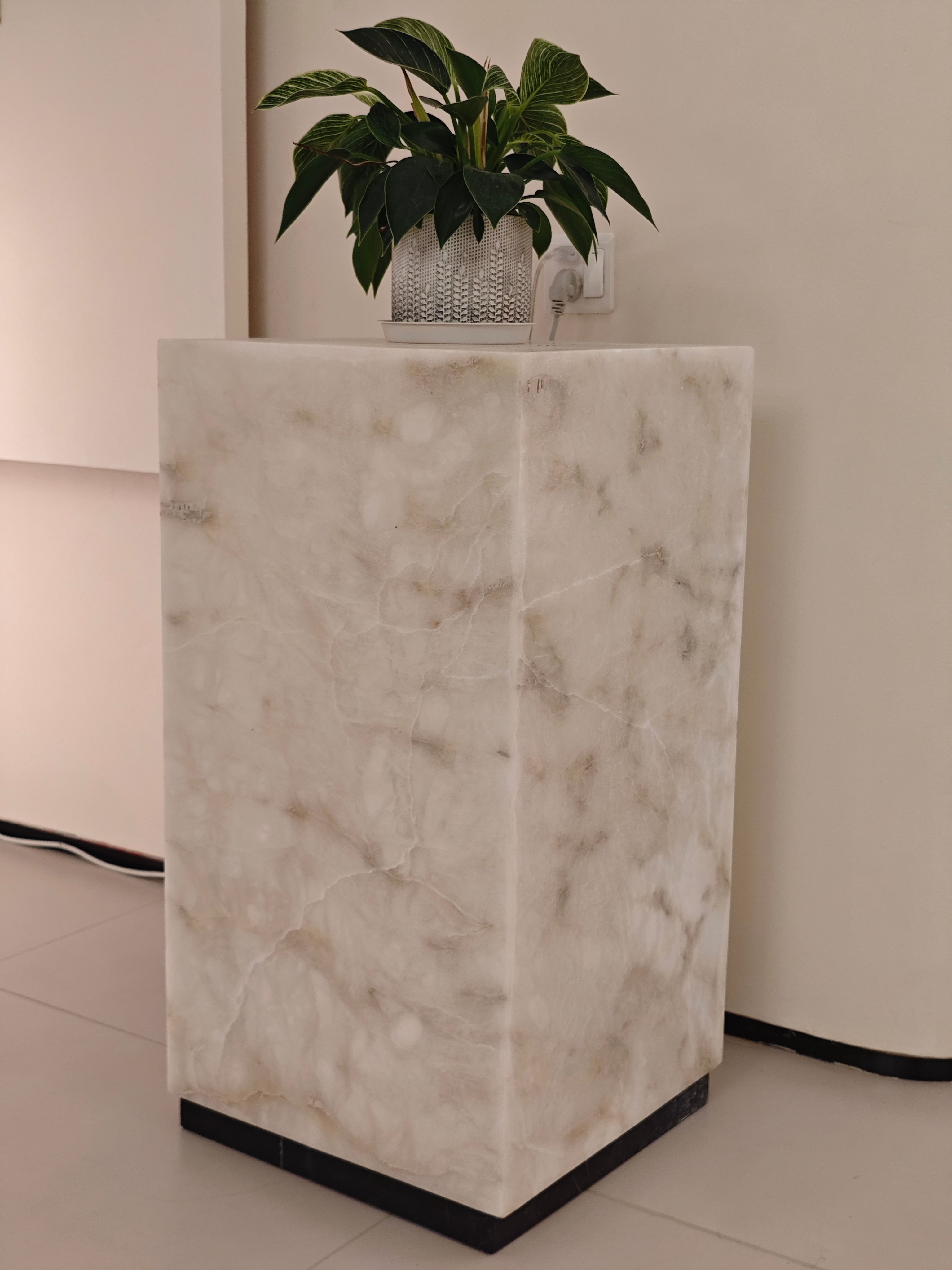
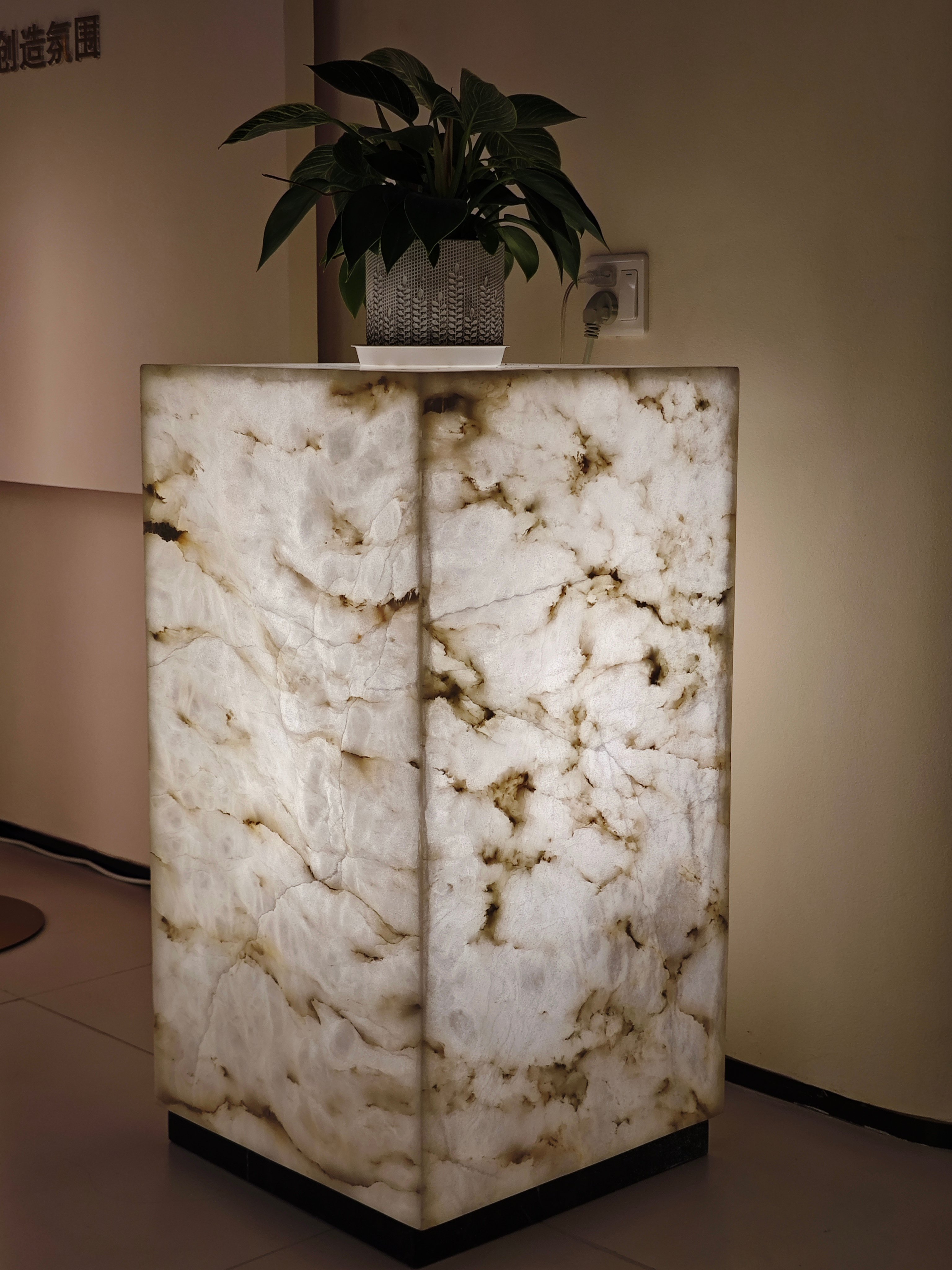
Iraanse albast vertoont vaak sterker kleurvariatie en zichtbaarder natuurlijke aders, waaronder bruine, gele, grijze en donkerdere patronen.
Bij verlichting kan het een rijker en dramatischer natuurstenen uitstraling creëren.
De kleur en doorzichtigheid kunnen echter aanzienlijk meer variëren tussen verschillende blokken en partijen, dus zorgvuldige selectie en afstemming zijn ook vereist bij massaproductie.
Iraanse albast is over het algemeen goedkoper dan Spaanse albast, maar duurder dan Chinese albast. Het is een geschikte optie voor klanten die een evenwicht willen vinden tussen natuurlijk karakter en projectbudget.
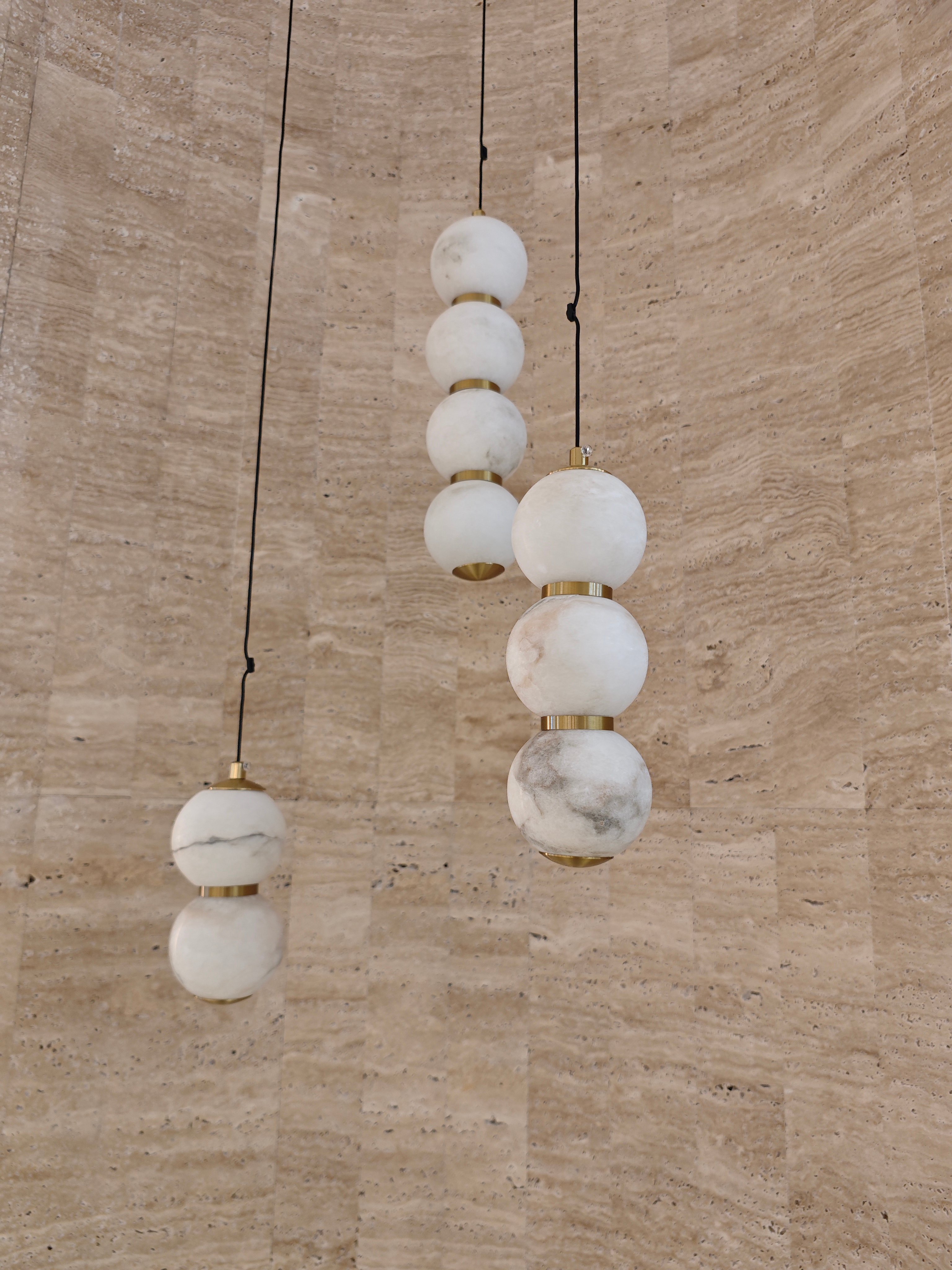
China produceert ook natuurlijke albast met van nature gevormde aders en doorschijnende variaties.
In vergelijking met Spaanse en Iraanse albast vertoont Chinese albast over het algemeen grotere variatie in basiskleur, doorschijnendheid en batchconsistentie.
Sommige stukken kunnen grijsachtiger of geelachtiger lijken, met meer ondoorschijnende gebieden of zichtbare natuurlijke insluitsels.
Chinese albast biedt echter een duidelijk prijsvoordeel en is geschikt voor projecten met een beheerst budget die toch echt natuursteen vereisen.
De prijs van natuurlijke albast wordt voornamelijk beïnvloed door:
Grote lampenkappen vereisen grotere en vollere stenen secties. Groeporders vereisen ook materialen met relatief vergelijkbare kleuren, patronen en doorzichtigheid, wat de selectiekosten en het materiaalverlies verhoogt.
Voor projecten waarbij zachte doorzichtigheid, premium uiterlijk en sterke internationale marktwaardering centraal staan, is Spaanse albast meestal de voorkeurskeuze.
Voor projecten die opvallende natuurlijke aders vereisen en een evenwicht nastreven tussen uiterlijk en kosten, kan Iraanse albast een geschikte optie zijn.
Voor projecten met een beperkter budget die toch natuurlijke albast vereisen, biedt Chinese albast een kosteneffectievere oplossing.
De algemene marktpositie kan als volgt worden samengevat:
Voorkeur van de klant:
Spaans albast > Iraans albast > Chinees albast
Typische prijspositie:
Spaans albast > Iraans albast > Chinees albast
Natuurlijk albast is geen gestandaardiseerd materiaal. Zelfs stenen uit dezelfde oorsprong kunnen verschillende kleuren, patronen en verlichtingseffecten hebben.
Bij NHB Lighting gebruiken we voornamelijk zorgvuldig geselecteerd natuurlijk Spaans albast en kiezen we geschikte materialen op basis van de afmeting, vorm en verlichtingsvereisten van elk ontwerp, waardoor elke lamp zijn eigen natuurlijke schoonheid kan tonen.
 Actueel nieuws
NHB Lighting is een fabrieksdirecte fabrikant van albasterverlichting voor hotels, villa's en luxe woningen. Onze handgemaakte kroonluchters, OEM/ODM-diensten, strenge kwaliteitscontrole en wereldwijde levering garanderen tijdloze elegantie. Wereldwijd vertrouwd — ontdek meer dan 500 ontwerpen.


Gebouw C, nr. 2, Fuqing 2e weg, industriële zone Yongxing, Henglan-stad, Zhongshan-stad, provincie Guangdong, China
Copyright © 2026 door NHB-verlichting PRIVACYBELEID
 EN
EN