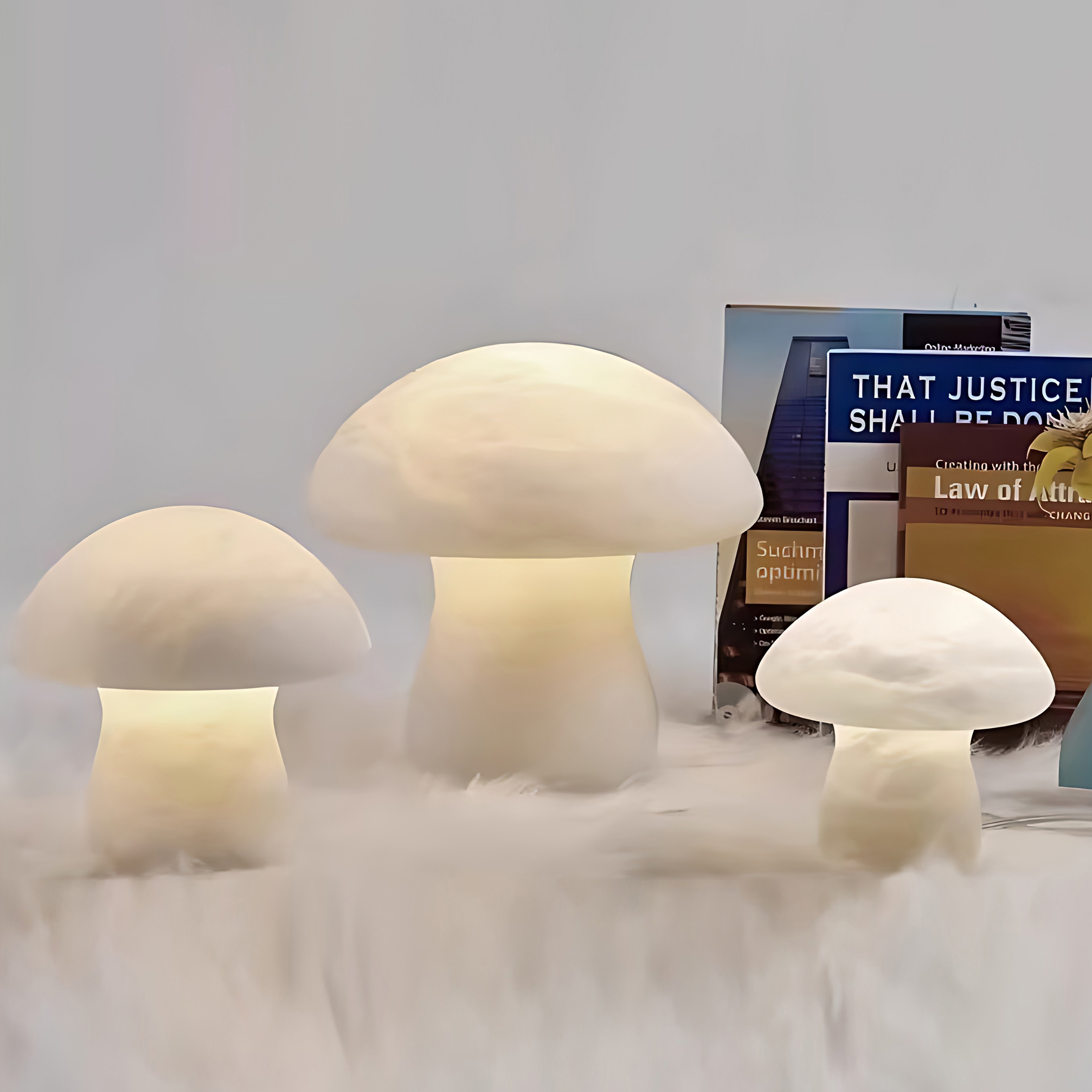
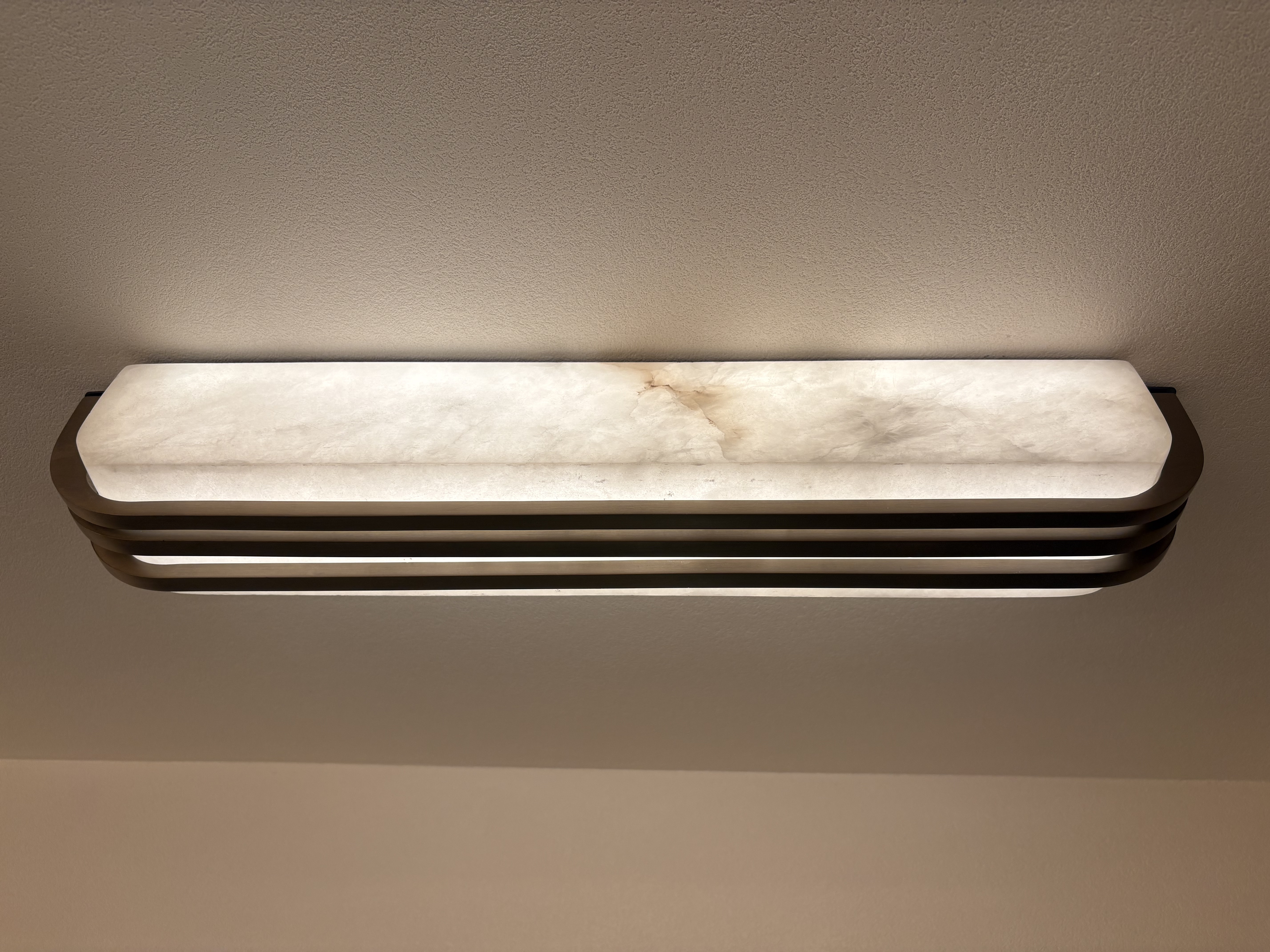
Natural alabaster is one of the most distinctive materials used in decorative lighting. Even when two lamps share exactly the same design, dimensions and finish, the stone may still look noticeably different.
Some pieces show soft cloudy patterns, while others feature stronger veins, warmer tones or more visible natural variations.
So, why does every alabaster light look different?
The answer is simple: natural alabaster is formed by nature, not manufactured to look identical.
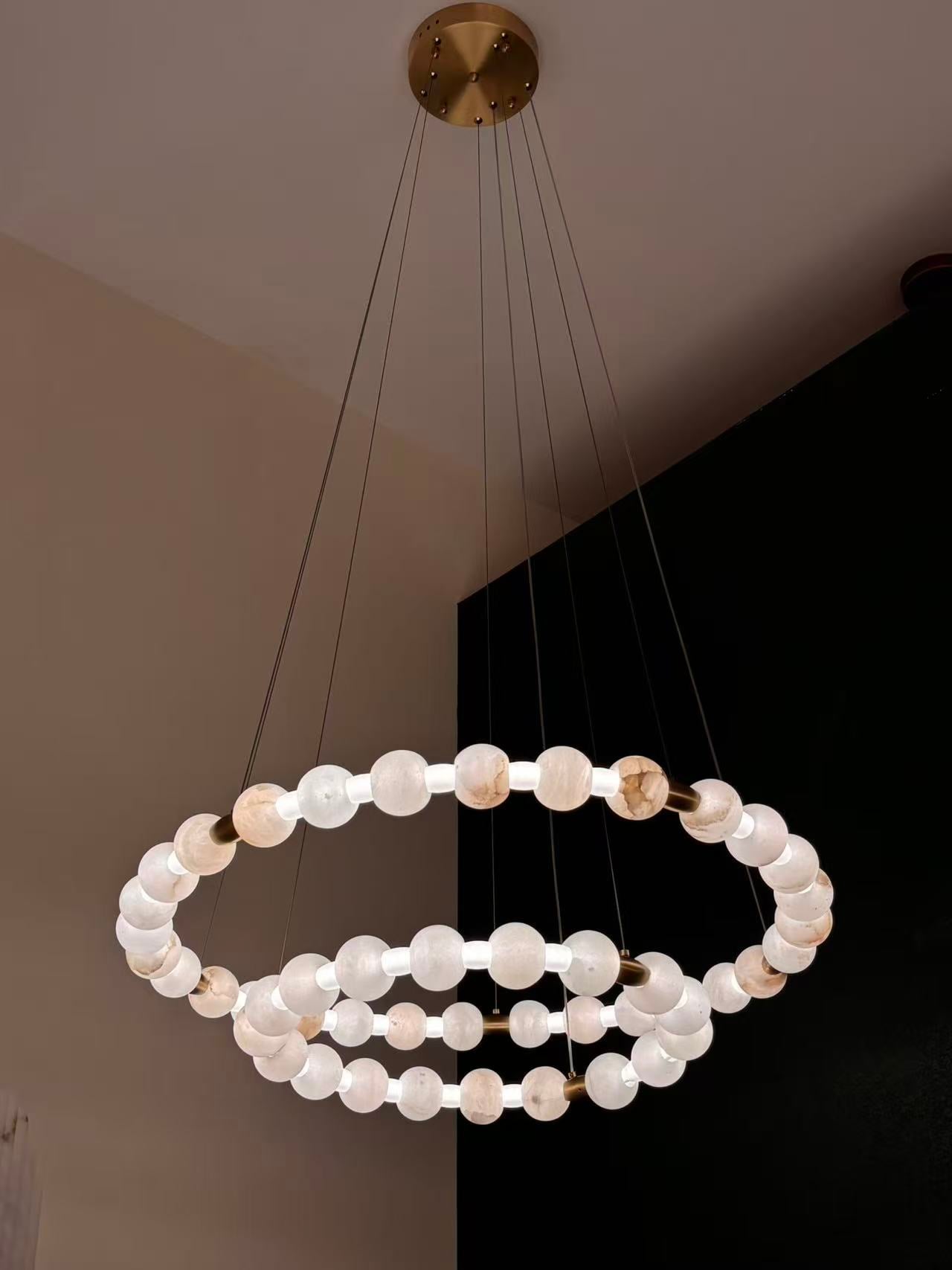
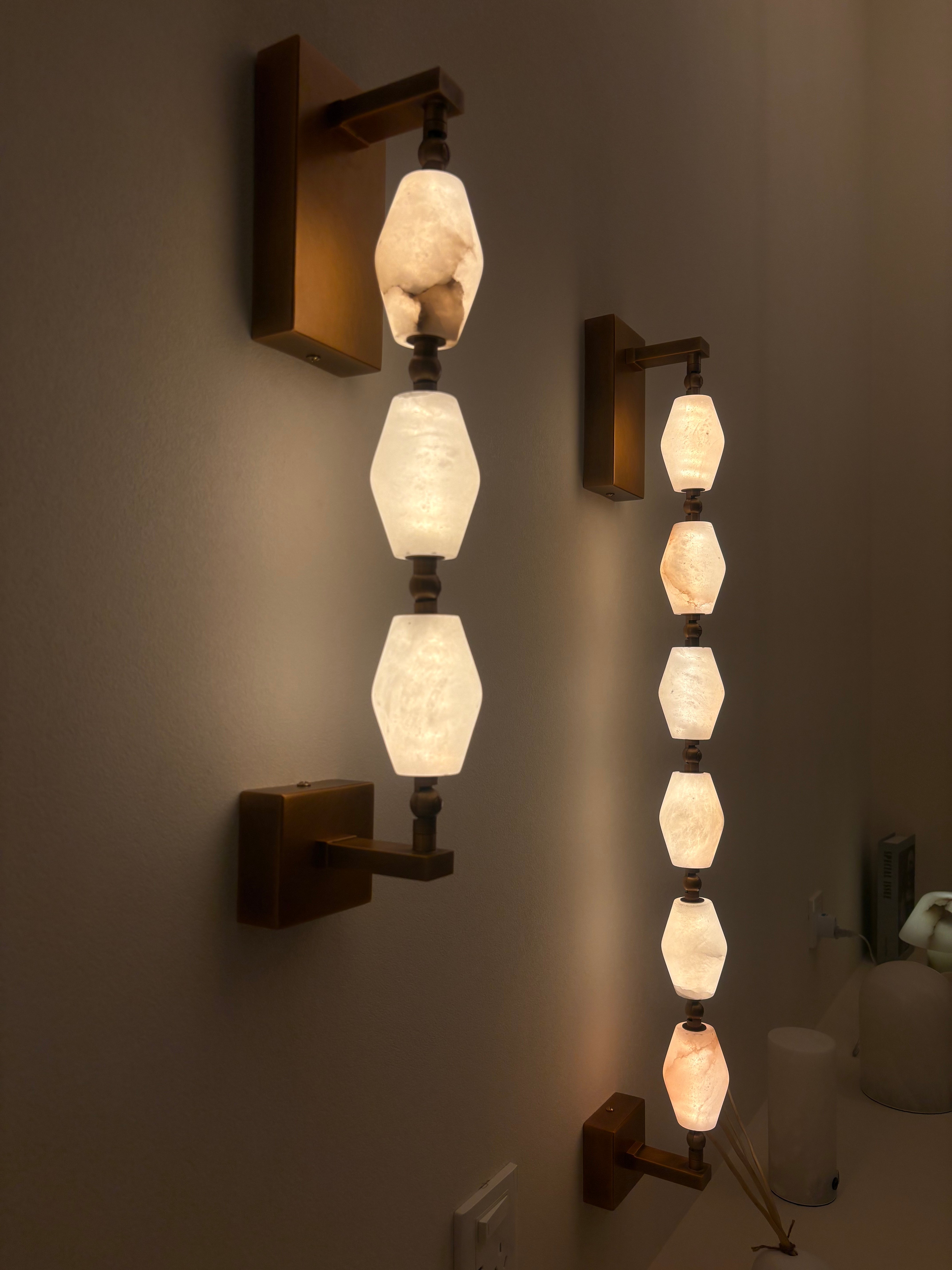
Unlike glass, acrylic or other manufactured materials, natural alabaster does not have a standardized pattern.
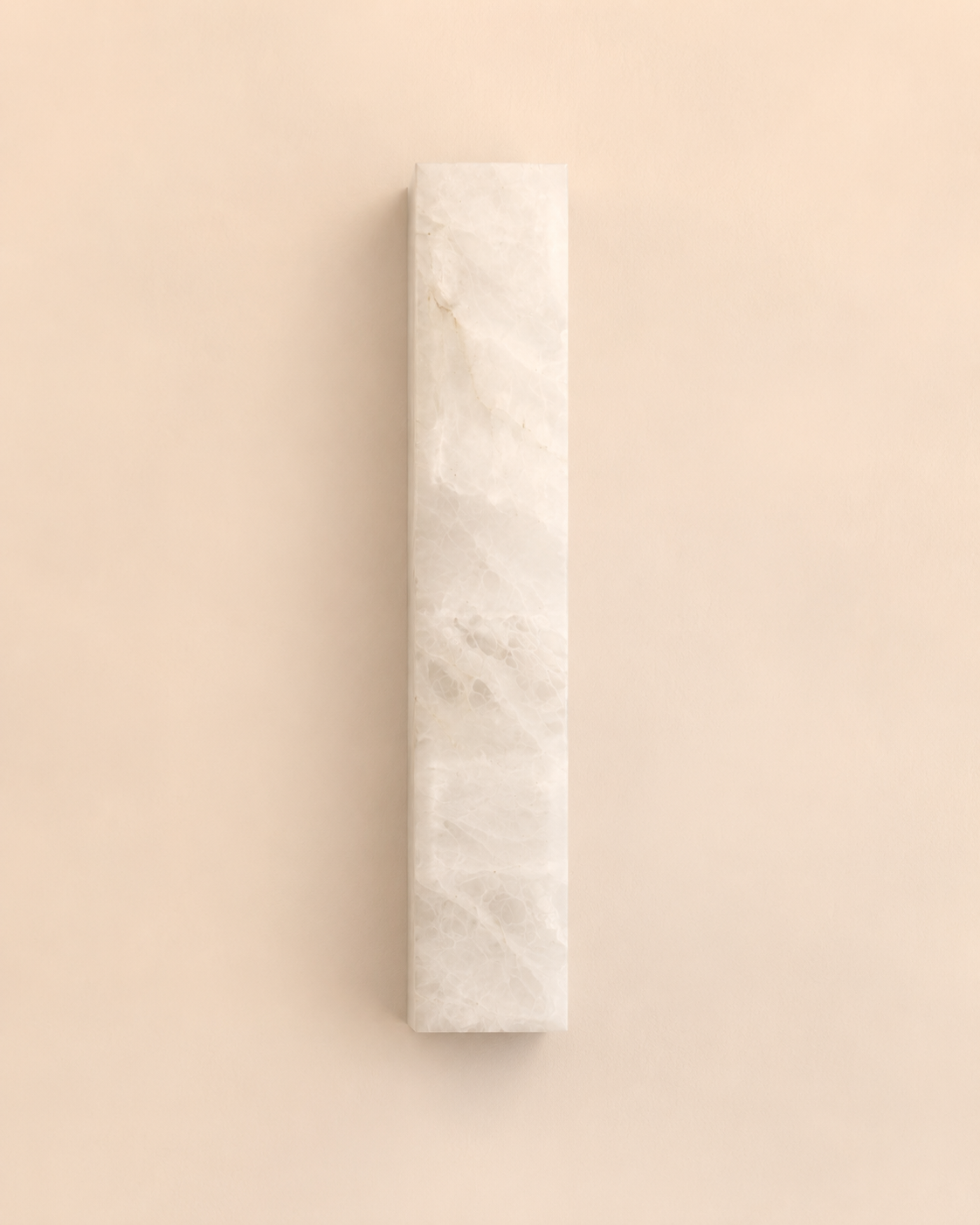
Each stone piece contains its own unique veining, cloudy areas, tonal changes and natural markings.
This means that even when several lamps are made from the same design, the alabaster components will never be completely identical.
These variations are part of the natural character of the material rather than a production defect.
A single block of natural alabaster can contain different textures and tones within the same piece.
When the stone is cut into different shapes and sizes, each section may reveal a different pattern.
Some pieces may appear relatively clean and white, while others may contain cream, beige, honey-colored or darker veins.
The cutting direction can also influence how the natural pattern appears on the finished lamp.
One of the most interesting characteristics of alabaster is how much its appearance changes when illuminated.
When the lamp is turned off, some natural patterns may appear subtle.
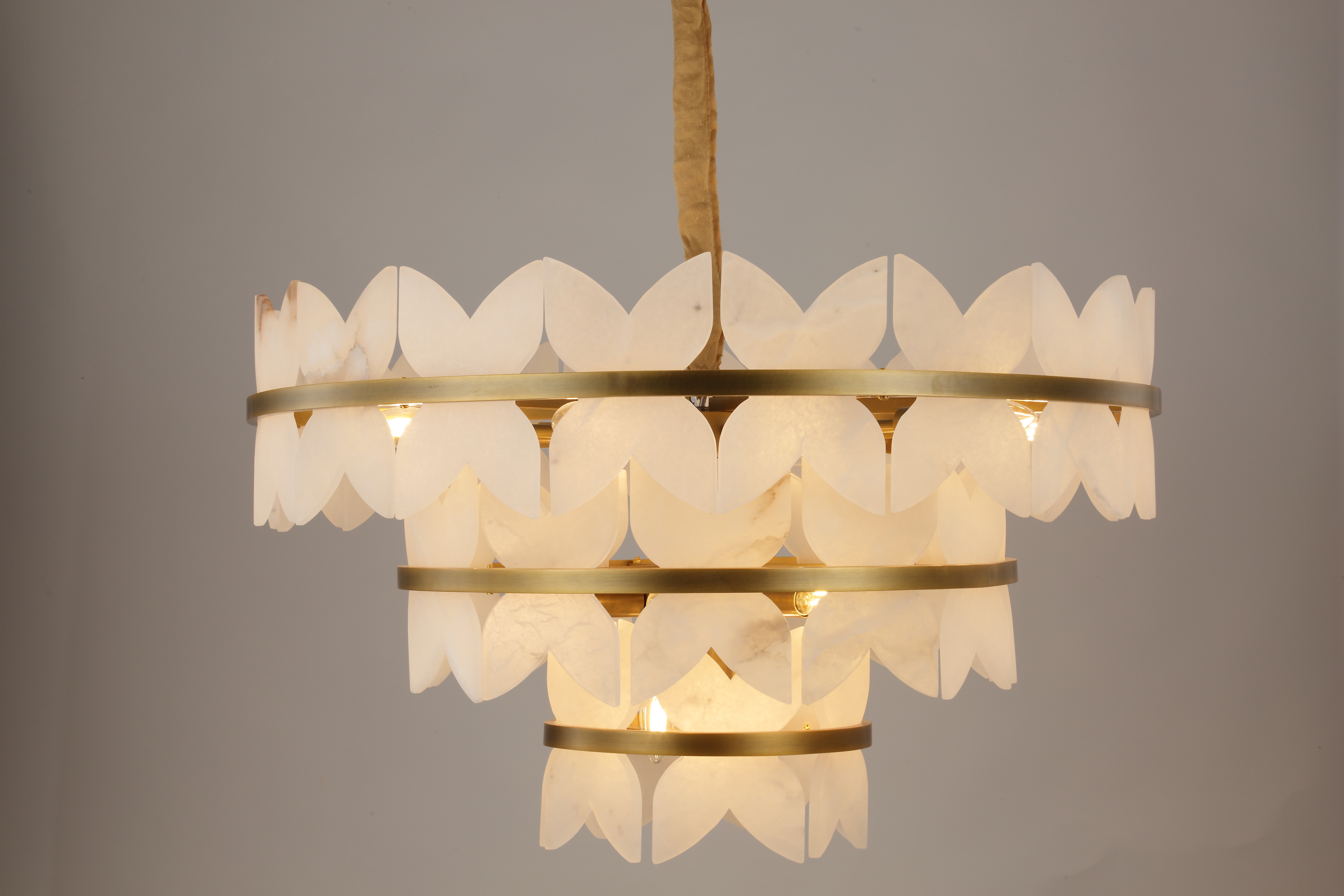
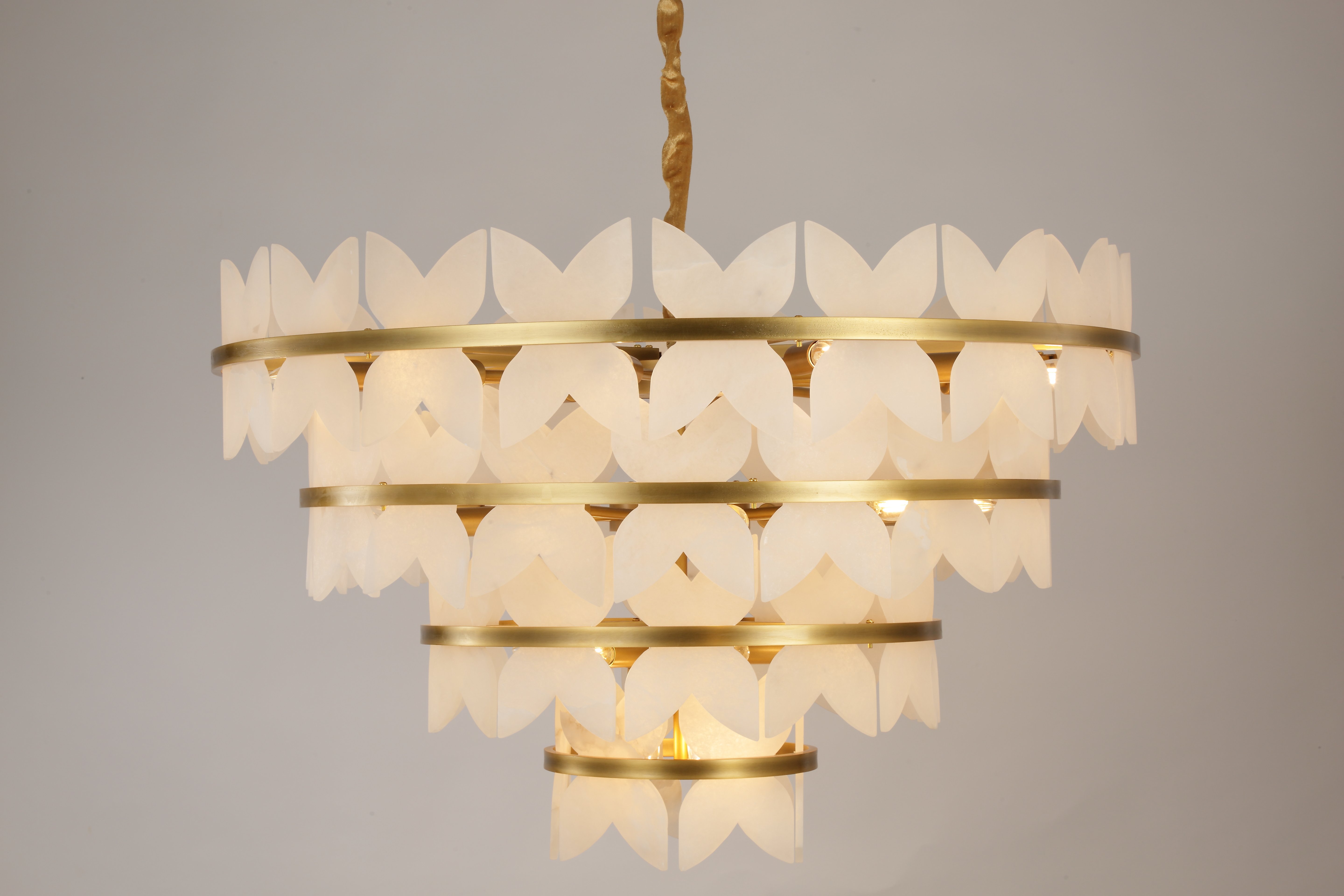
Once the light passes through the stone, internal veining and tonal differences become more visible, creating additional depth and texture.
This is why the same alabaster piece can look quite different during the day and at night.
The thickness of the alabaster also influences its illuminated effect.
Thinner sections usually allow more light to pass through, while thicker areas may appear slightly darker.
Because decorative lighting products come in many different shapes, the thickness and structure of the stone may vary from one design to another.
These differences can create subtle changes in brightness and texture across the finished fixture.
The color temperature of the light source can further influence how natural alabaster appears.
At 3000K, the stone usually looks warmer and softer, and cream or honey-colored veins may become more noticeable.
At 4000K, the overall appearance becomes more neutral and clean.
At 6000K, lighter areas of the alabaster generally appear whiter and brighter.
This is one reason why choosing the right color temperature is important when designing an alabaster lighting project.
For manufactured materials, consistency often means every piece looks exactly the same.
Natural alabaster is different.
Its beauty comes from the fact that each piece carries its own pattern and character. Small differences in veining, tone and translucency mean that no two finished alabaster lamps will ever be exactly alike.
For many designers and customers, this natural variation is one of the main reasons to choose alabaster lighting.
Although natural stone cannot be made completely identical, careful stone selection is still important.
For an order containing multiple fixtures, our team can select and arrange alabaster pieces according to the overall design requirements to help achieve a more harmonious visual effect.
However, slight differences in natural veining and color should still be expected.
At NHB Lighting, we use natural alabaster for chandeliers, pendant lights, wall lamps, table lamps and floor lamps. We also support customized dimensions, copper finishes, color temperatures and product configurations for different residential, hospitality and commercial projects.
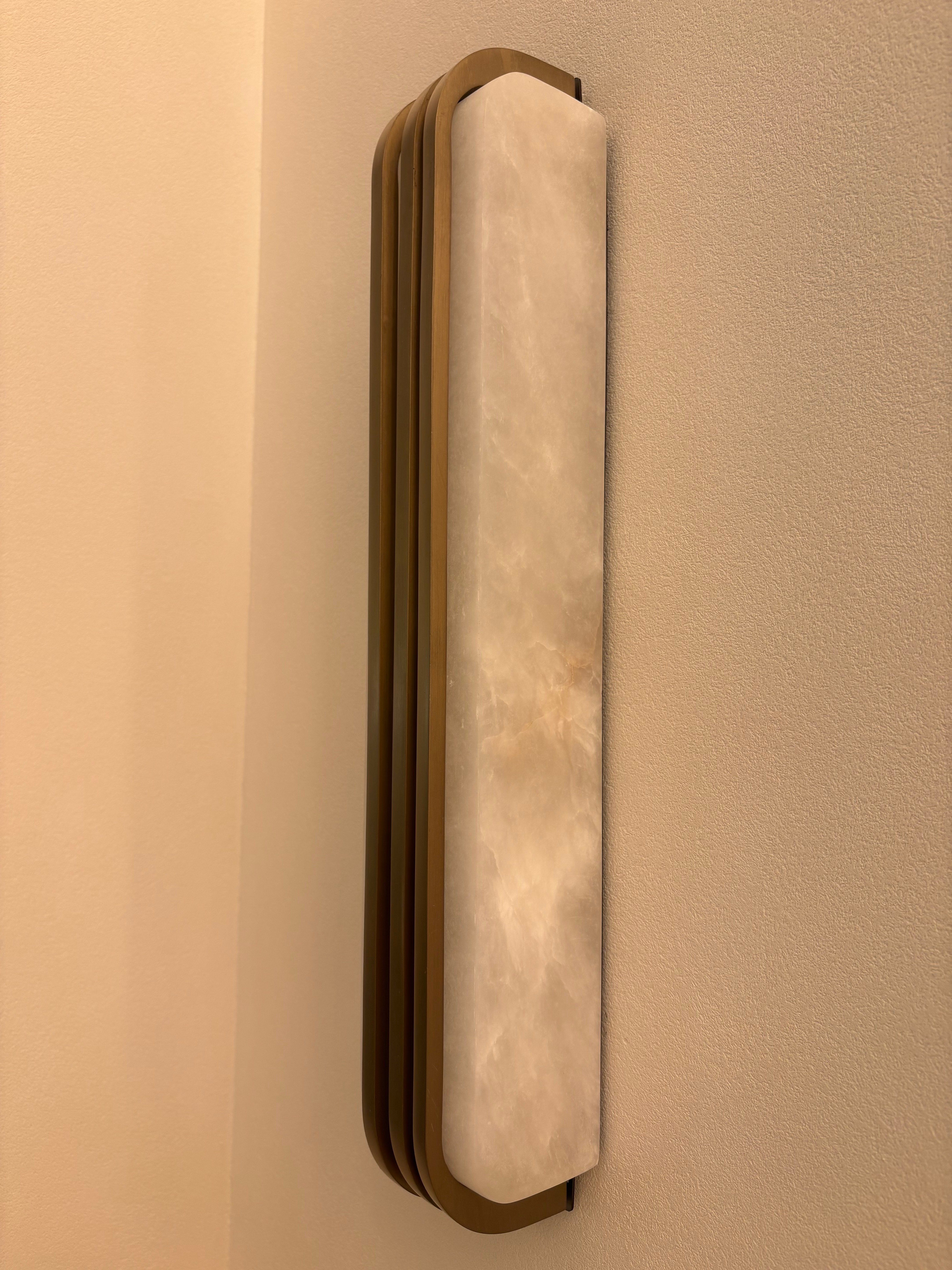
So, why does every alabaster light look different?
Because every piece of natural alabaster has its own history, pattern and translucency.
The variations seen in the stone are not something that needs to be completely eliminated. They are what make natural alabaster lighting different from mass-produced artificial materials.
When illuminated, every piece reveals its own natural beauty, giving each finished lamp a character of its own.

NHB Lighting is a factory-direct alabaster lighting manufacturer for hotels, villas & luxury residences. Our handcrafted chandeliers, OEM/ODM services, strict QC and global delivery ensure timeless elegance. Trusted worldwide — explore 500+ designs.


Building C,No.2,Fuqing 2nd Road ,Yongxing Industrial Zone,HenglanTown,Zhongshan City,Guangdong Province,China
Copyright © 2026 by NHB Lighting Privacy Policy
 EN
EN
 Hot News